 ⭐ Featured
Pav Bhaji
Mumbai's beloved mashed vegetable curry served on butter-toasted soft buns — street food gold.
Steamed rice cakes filled with coconut and jaggery — the most popular Assamese pitha variety

About Assam Pitha Coconut Steam: Coconut-jaggery pitha is the most universally made Assamese snack — beloved at Bihu festivals, weddings, and as everyday treats. Across Assam, particularly during the major Bihu festivals (Rongali, Kongali, Bhogali — celebrating different agricultural seasons), pitha is the iconic festive food. The steamed version is one of many pitha types — distinguished from fried pitha (lukmar pitha) and grilled pitha (sungai pitha). Reflects Assamese culinary wisdom: take rice flour and coconut-jaggery filling, transform through gentle steaming into something light, fragrant, and deeply comforting.
Understand the dish: Pitha is essentially a steamed rice flour dumpling with coconut-jaggery filling — closely related to Bengali bhapa pitha, Tamil kozhukattai, Maharashtrian modak. The Assamese version is distinguished by specific ratios and the emphasis on freshness of ingredients.
Make the filling: Use 1 cup freshly grated coconut (fresh is essential — desiccated produces dry gritty filling; frozen-thawed works as substitute) and 3/4 cup grated jaggery (Assamese "gur" or palm jaggery — produces deep authentic flavour; substitute with regular cane jaggery if needed). Use a heavy-bottomed pan (thin pans scorch the filling).
Cook the filling: Place coconut and jaggery together in the pan over medium heat. Stir continuously with a wooden spoon. Within 2 minutes, jaggery starts to melt. Continue stirring for 8-10 minutes total through stages: first wet (1-3 min), then thickening (3-6 min), then sticky-concentrated (6-9 min), then pulling cleanly away from sides (10 min — done).
Doneness check: Mixture should pull cleanly away from the pan as you stir. Should look almost dry — sticky but not wet. If overcooked (hard and brittle when cooled), add 1 tbsp warm water and stir on low heat to soften. If undercooked (still wet), continue cooking 2-3 minutes — wet filling leaks during steaming.
Finish the filling: Add 1/4 tsp cardamom powder (and optionally 1 tbsp finely chopped cashews or 2 tsp white sesame seeds for textural variety). Mix thoroughly. Tip onto a wide plate. Cool for 15 minutes.
Make the dough: Place 2 cups fine rice flour and a pinch of salt in a wide bowl. Pour about 3/4 cup just-off-boiled hot water over the flour (essential — hot water gelatinises rice flour for the right pliable dough; cold water produces stiff hard dough that cracks). Use a wooden spoon to mix at first, then your hands once cool enough. Add more hot water 1 tbsp at a time until soft and pliable — like playdough. Knead briefly 3-5 minutes (rice flour does not develop gluten). Cover with a damp cloth and rest 10 minutes.
Divide and shape: Pinch off 35g portions of dough (16-18 portions). Keep all under a damp cloth — exposed dough dries quickly. Take one portion, flatten between palms into a 7cm round disc, 3mm thick. Place 1 tablespoon of cooled coconut filling in the centre.
Seal the pitha: Bring the edges of the disc up around the filling, like making a small purse. Pinch the edges firmly to seal completely. The seal must be airtight — any gaps will let the filling leak during steaming. Traditional Assamese shape: a smooth round dumpling, sometimes with a slight pinch at the top forming a small peak.
Let rest and prepare steamer: Place shaped dumplings on a plate. Rest 5-10 minutes — allows seals to set. Use a bamboo steamer with at least 5cm of water in the bottom pan. Line the steamer surface with banana leaves (most traditional, adds subtle aromatic character) or muslin cloth. Bring water to a rolling boil over high heat.
Steam the pitha: Once water is at full rolling boil, arrange pitha in the steamer in a single layer with space between each (they expand slightly). Cover and steam 15 minutes. Do not lift the lid during steaming — escaping steam slows cooking.
Doneness check: After 15 minutes, lift the lid carefully. Pitha should look glossy, slightly translucent, and feel firm but tender. The critical test: pierce one with a thin knife — should come out clean (no wet rice flour clinging). Filling should be hot. If undercooked, steam 5 more minutes. Switch off heat and rest covered 5 more minutes.
Serve warm: Lift onto a serving plate. Filling is at peak when warm and dough at peak texture.
The Bihu serving tradition: At Bihu festivals (Rongali in spring, Kongali in autumn, Bhogali in winter), pitha is the iconic festive food. Different families specialise in different pitha types; the steamed coconut version is universally loved. For tea-time eating, hot strong Indian tea or coffee is the traditional pairing. Some Assamese families serve a small piece of jaggery alongside — produces additional sweet contrast. Pack 4-6 cooled pitha in a small box for gifting during Bihu festivals or weddings.
For children, gluten-free, variations: Children love pitha — sweet, soft, with the satisfying coconut-jaggery filling. Many Assamese grandmothers introduce traditional sweets through this dish. Naturally gluten-free, suitable for celiac diets. Variations: add 1/2 tsp grated ginger to the filling for warming character; 2 tbsp finely chopped almonds or pistachios; 1 tbsp sesame seeds. Savoury version uses spiced lentils, vegetables, or meat filling — same technique, different filling.
A cultural and nutritional note: Pitha represents the heart of Assamese festive cooking. The simple combination of rice flour and coconut-jaggery transforms into something celebratory through preparation and ritual context. Each pitha provides approximately 80-100 calories — moderate as sweets go. The filling provides healthy fats from coconut, minerals from jaggery, and natural sugars. Far healthier than commercial sweets.
Leftover storage: Stored in fridge in an airtight container, pitha keep for 2-3 days. Refresh by re-steaming briefly (5 minutes). Avoid microwaving — produces rubbery texture. Many Assamese families plan extra pitha specifically for the next-day enjoyment with tea.
⭐ Featured
Mumbai's beloved mashed vegetable curry served on butter-toasted soft buns — street food gold.
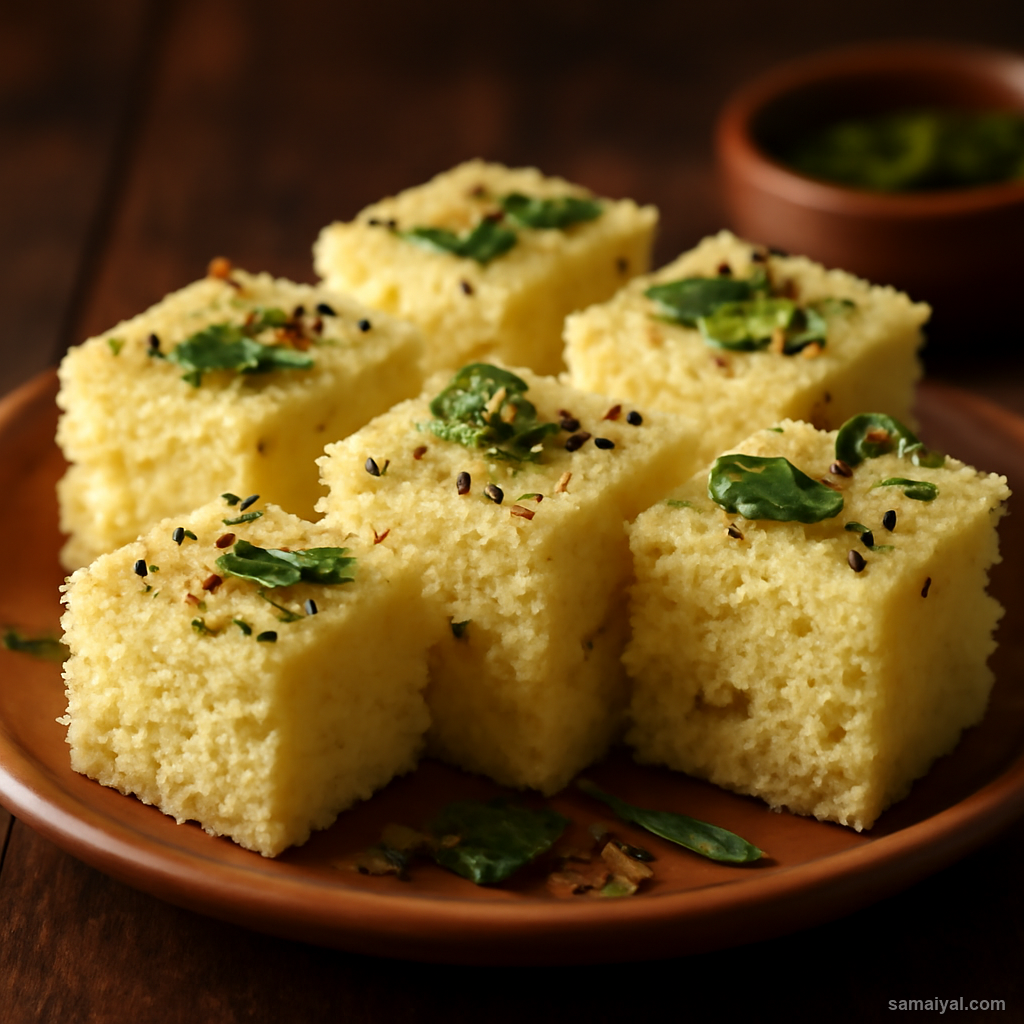
Fluffy steamed chickpea flour cake from Gujarat — light, spongy, tangy and totally addictive.
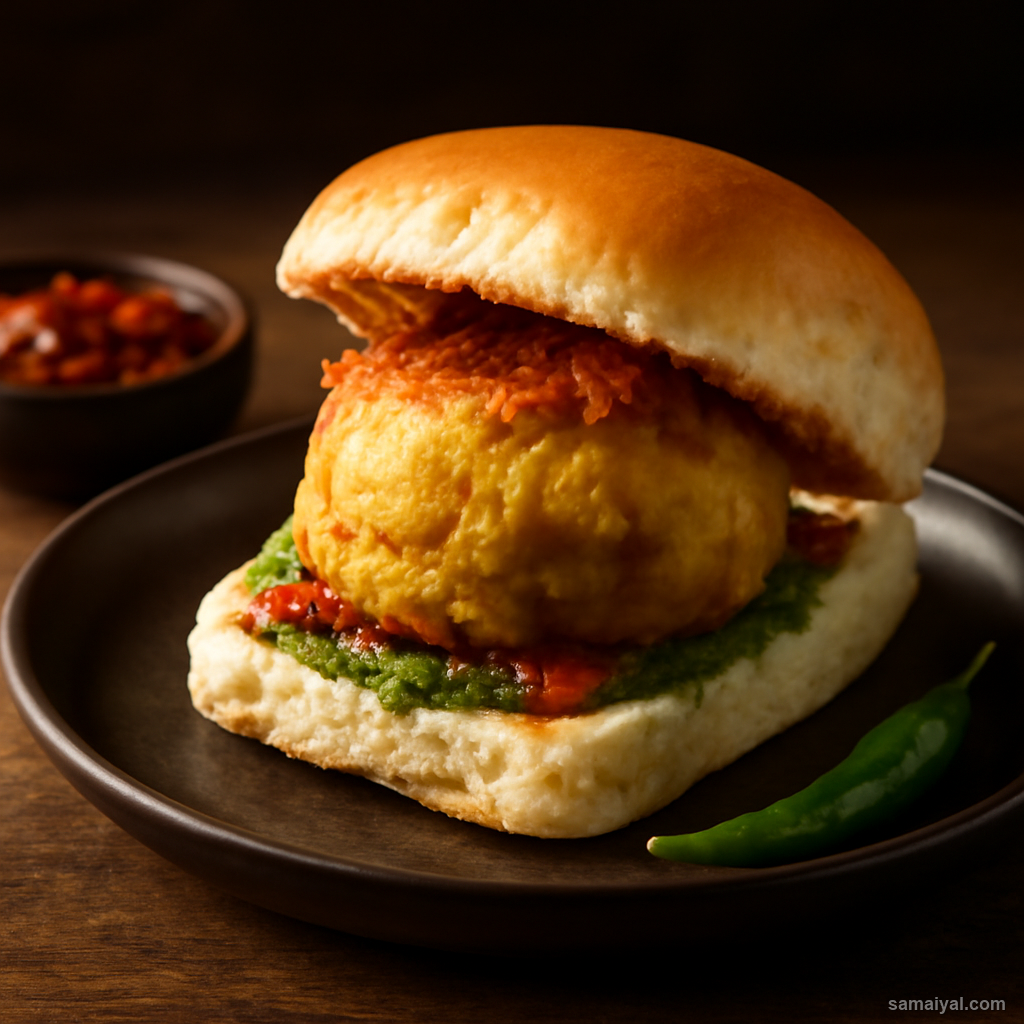
Mumbai's vegetarian burger — spiced potato dumpling in a fried batter, served in a...
 ⭐ Featured
Crispy golden pastry filled with spiced potatoes and peas — India's most loved snack,...
Comments & Tips
Be the first to share your experience with this recipe!
Leave a Comment