 ⭐ Featured
Pav Bhaji
Mumbai's beloved mashed vegetable curry served on butter-toasted soft buns — street food gold.
Rolled rice crepe stuffed with roasted sesame and jaggery — the most iconic Bihu sweet of Assam
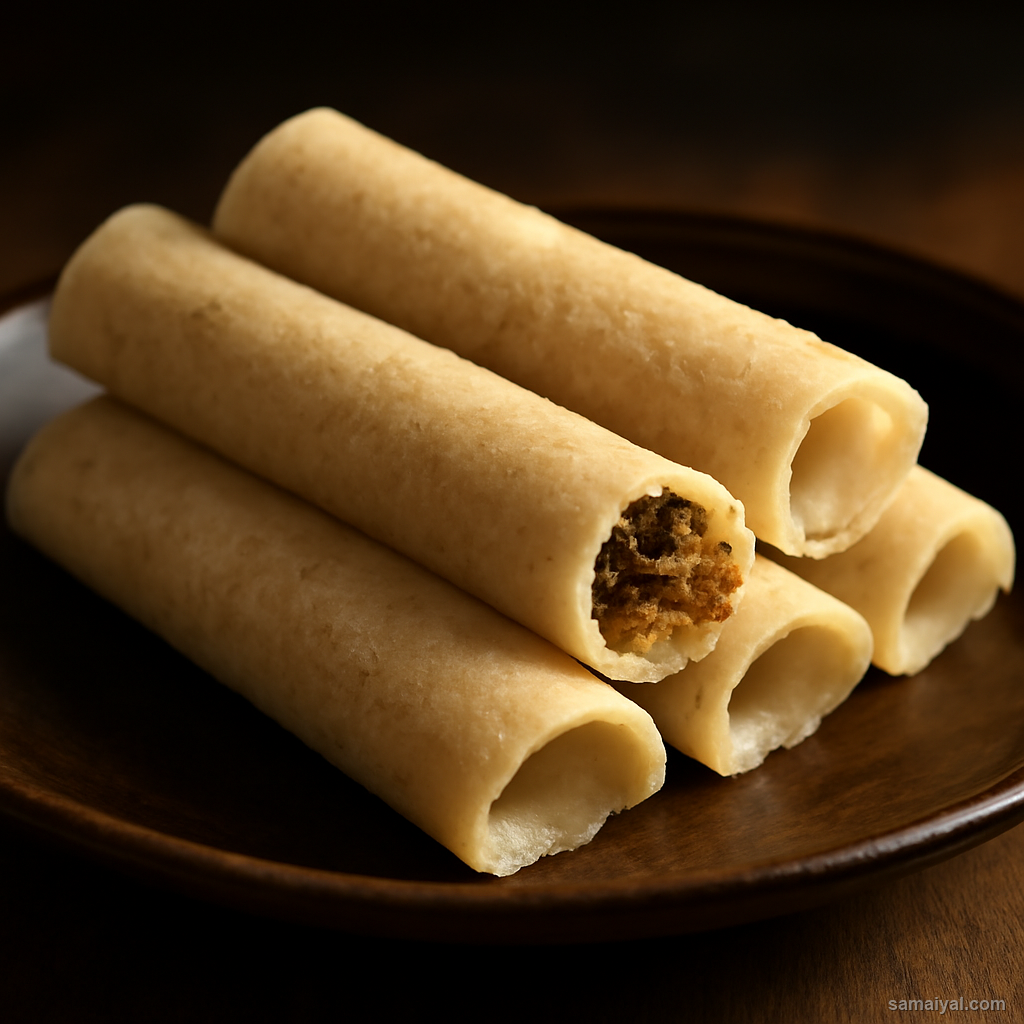
About Til Pitha: Til Pitha is the quintessential Bihu sweet — a delicate rice crepe rolled around a sweet sesame-coconut-jaggery filling. Across Assam, particularly during the major Bihu festivals (Rongali in spring, Kongali in autumn, Bhogali in winter), til pitha is one of the iconic festive sweets. The combination of sesame seeds (til), coconut, and jaggery rolled inside a thin rice flour crepe produces a dish that is both substantial and elegant.
Understand the dish: Til pitha is a thin rice flour crepe rolled or folded around a filling of toasted sesame seeds, grated coconut, and jaggery. Distinct from other pitha varieties (steamed, fried) — this is the rolled crepe version. The texture should be: thin tender crepe, sweet crunchy filling, balanced sweetness throughout.
Gather ingredients: 1 cup fine rice flour (uncooked, dry rice flour available at Indian groceries; substitute with home-ground soaked rice for more traditional version), 1/2 cup toasted white sesame seeds (essential — provides characteristic flavour), 1/2 cup freshly grated coconut, 1/2 cup grated jaggery (Assamese gur or palm jaggery), 1/4 tsp cardamom powder, 1/4 tsp salt, 2-2.5 cups water for the batter, 2-3 tbsp ghee or oil for cooking, optional 2 tbsp finely chopped cashews or almonds.
Toast the sesame seeds: Use a heavy dry pan over low heat. Add the 1/2 cup white sesame seeds. Toast for 60-90 seconds, stirring constantly. The seeds will start popping and turning slightly golden. Watch carefully — sesame burns extremely quickly. Remove from heat as soon as they smell fragrant and look pale gold. Tip onto a plate to cool.
Make the filling: Coarsely grind the toasted sesame seeds in a small grinder or mortar — should remain partially whole, not fully powdered. The coarse grind preserves the textural variety. In a wide bowl combine the ground sesame, grated coconut, grated jaggery, and cardamom powder. Mix thoroughly with hands or a wooden spoon. Squeeze the mixture briefly — should hold together when squeezed. If too dry, add 1 tbsp warm water. The optional addition: 2 tbsp finely chopped cashews or almonds for textural variety. Set aside the filling.
Make the batter: Place rice flour in a wide bowl with 1/4 tsp salt. Add 2 cups water gradually, whisking continuously to prevent lumps. The batter should be very thin — like crepe batter, dripping in a continuous thin stream when you lift a spoon. Add more water 2-3 tbsp at a time until the consistency is right. Total water: typically 2-2.5 cups. The batter must be thin — thick batter produces inferior crepes.
Let the batter rest: Cover the batter and let rest for 15-20 minutes — allows the rice flour to fully hydrate. Stir before using; the rice flour may have settled to the bottom.
Heat the pan: Use a flat non-stick pan or seasoned cast iron pan (about 22-24cm diameter). Place over medium heat. Wait 2 minutes for it to get evenly hot. Test by sprinkling a drop of water — should sizzle and evaporate within 1-2 seconds.
Make the first crepe: Drizzle 1/2 tsp oil or ghee on the pan. Wipe with a paper towel — discards excess oil and seasons the pan. Pour about 1/3 cup batter onto the centre of the pan. Immediately tilt the pan in circular motions to spread the batter into a thin even circle (about 18-20cm diameter). Work quickly — batter sets within seconds.
Cook, flip, and finish the crepe: Cook for 1-2 minutes on medium heat. The bottom should turn pale golden with darker spots; the top should look mostly set but still slightly wet. Drizzle 1/4 tsp ghee around the edges. Carefully flip the crepe with a wide spatula. Cook the second side for 60 seconds — should be pale golden. The crepe should be tender, slightly pliable, not crispy.
Fill and roll: Transfer the crepe to a clean surface (still warm). Place 2 tbsp of the sesame filling along the centre of the crepe in a long line. Roll the crepe into a tight cylinder around the filling, like rolling a small Swiss roll. Press gently to seal. Continue with remaining batter and filling — typically makes 8-10 pithas.
Serve immediately: Til pitha is at peak warm — within 5-10 minutes of cooking. As they cool, they become slightly firmer in texture but still delicious. Serve with a small drizzle of warm ghee on top — produces additional richness.
Serve at festivals: At Bihu festivals (Rongali in spring, Kongali in autumn, Bhogali in winter), til pitha is iconic. Pair with hot strong Indian tea or filter coffee — traditional festive eating. Pack 4-6 cooled pithas in a small box for gifting during Bihu festivals or to honoured guests.
For children, healthier eating: Children love til pitha — sweet, crunchy filling, soft crepe wrapper. Naturally low in fat (just minimal ghee for cooking) and high in protein from sesame seeds. The sesame seeds provide exceptional calcium — particularly nutritious sweet.
Variations: Some Assamese families add 2 tbsp finely chopped pistachios to the filling. Others add 1/4 cup white poppy seeds (khus khus) for additional textural variety. For elaborate version: add 1/4 tsp grated nutmeg to the filling for additional warming character.
A cultural and nutritional note: The til pitha tradition has been part of Assamese Bihu celebrations for centuries. References appear in Assamese literature dating back hundreds of years. Sesame seeds provide exceptional calcium (more than dairy per gram), iron, and B vitamins. Combined with coconut (healthy fats) and jaggery (minerals), the dish is nutritionally rich for a sweet preparation.
Leftover storage: Stored at room temperature in airtight container for 1 day, fridge for 2-3 days. Refresh by warming briefly in a hot dry pan or microwave for 10-15 seconds. The texture firms slightly when cold but the flavour remains beautiful.
⭐ Featured
Mumbai's beloved mashed vegetable curry served on butter-toasted soft buns — street food gold.
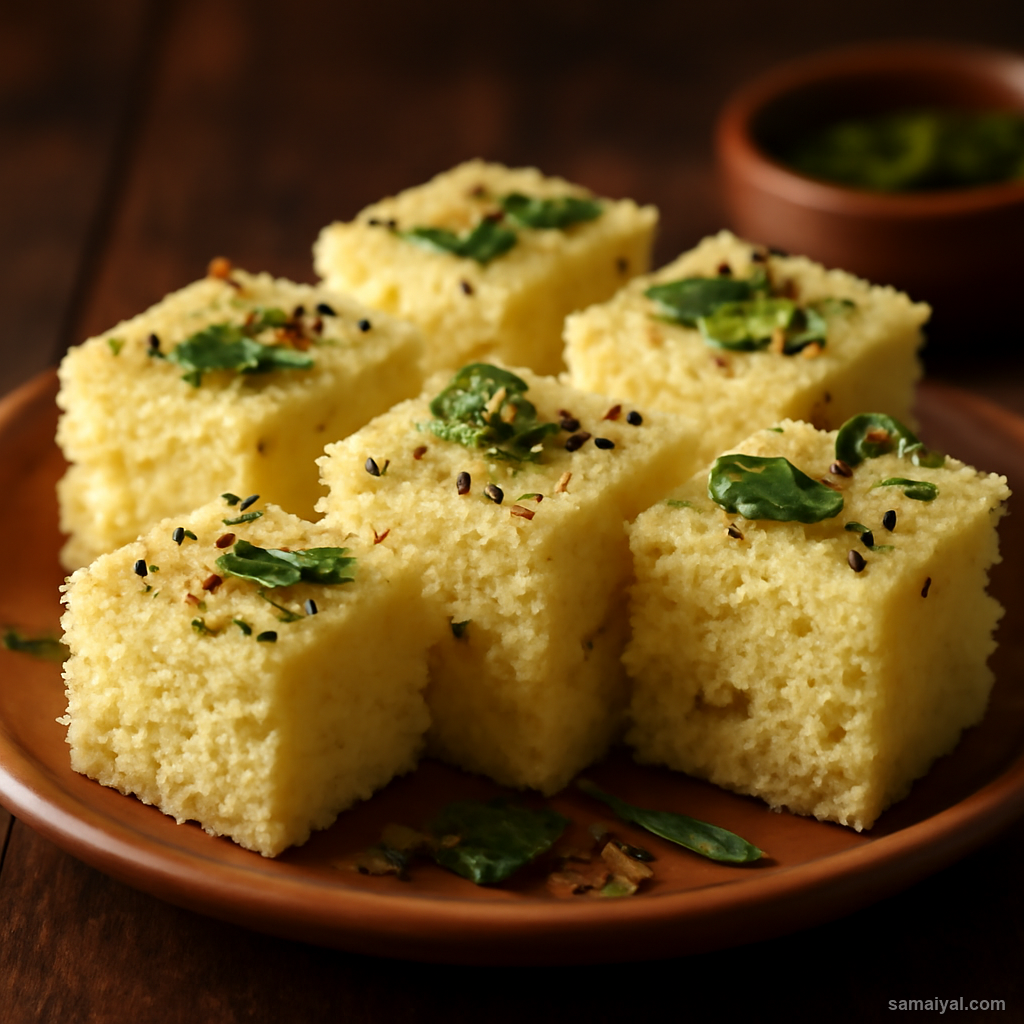
Fluffy steamed chickpea flour cake from Gujarat — light, spongy, tangy and totally addictive.
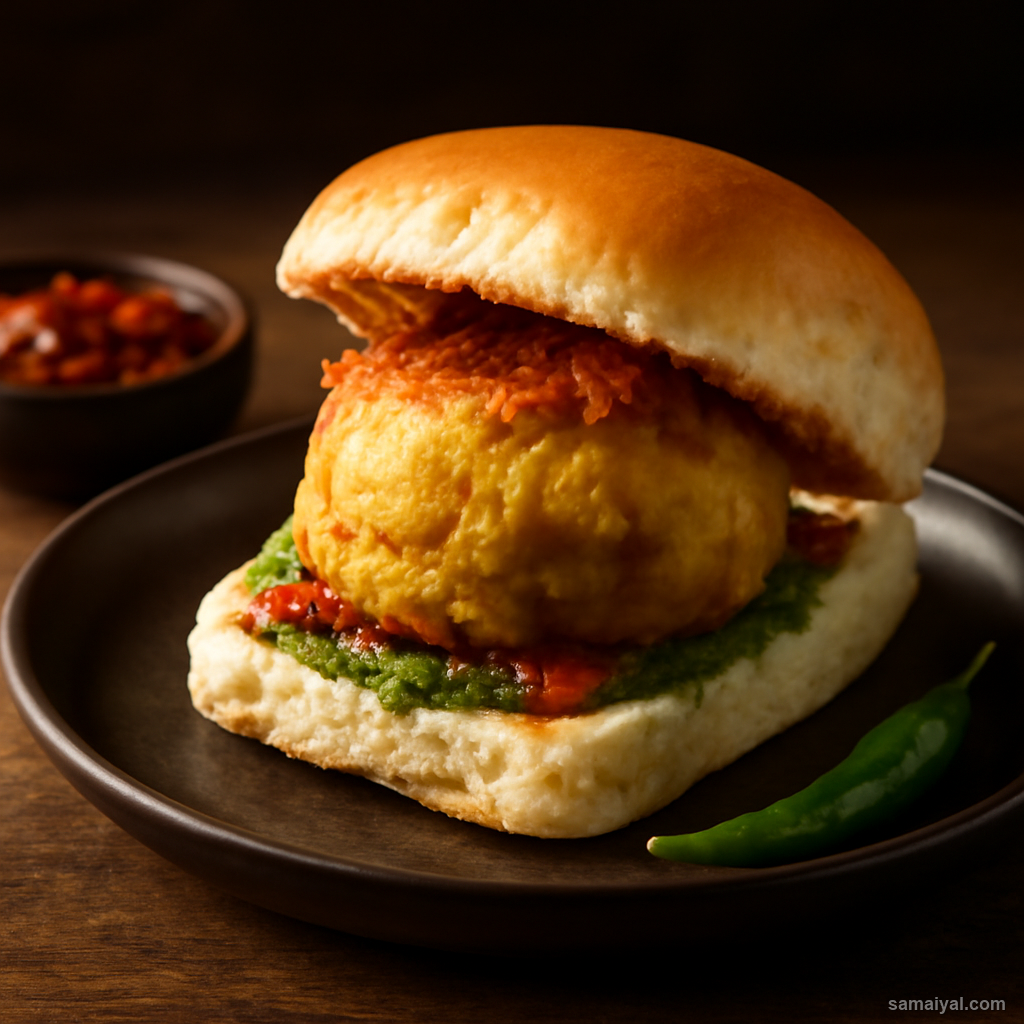
Mumbai's vegetarian burger — spiced potato dumpling in a fried batter, served in a...
 ⭐ Featured
Crispy golden pastry filled with spiced potatoes and peas — India's most loved snack,...
Comments & Tips
Be the first to share your experience with this recipe!
Leave a Comment