 ⭐ Featured
Pav Bhaji
Mumbai's beloved mashed vegetable curry served on butter-toasted soft buns — street food gold.
Fire-roasted tomato mashed with mustard oil and chilli — the simplest Assamese condiment

About Tomato Pitika: Pitika is the Assamese word for any mashed dish — vegetables roasted, boiled or fire-charred and then crushed into a coarse condiment. Tomato Pitika is the simplest and one of the most loved — it is the smoky, fire-licked tomato relish that sits on every Assamese table, ready to be scooped up with rice.
Choose the right tomatoes: Use 4 large, firm but ripe red tomatoes. Avoid soft or bruised ones — they collapse during roasting and become impossible to peel cleanly. Roma or plum tomatoes work especially well because of their lower water content.
Prepare for fire-roasting: This is a fire-roasted dish — the smoky char is half the flavour. The traditional method uses a direct gas flame; you can also use a hot grill, an open BBQ or a very hot dry cast-iron pan if you have no gas flame.
Fire-roast the tomatoes: Place the tomatoes directly on a medium gas flame, holding by the stem end with long tongs (or skewer through with a metal skewer). Turn every minute or two to char all sides evenly. Continue until the skin is blackened in patches and the flesh underneath has collapsed and softened — about 6-8 minutes total.
Fire-roast the chillies too: While the tomatoes roast, place 2 fresh green chillies on the flame for 30-60 seconds, turning, until the skin is blistered and lightly charred. The chilli oils release into smoky aroma.
Let everything cool: Transfer the roasted tomatoes and chillies to a plate and let cool for 10 minutes — they are far too hot to handle straight from the flame and the flesh needs time to settle.
Peel the tomatoes: Once cool enough to handle, the charred skin will pull off easily with your fingers or a small knife. Peel away all the black skin — it is bitter if left in. Discard the stems.
Peel the chillies (optional): If your chillies are very hot, you can peel them too. Otherwise, leave the skin on for the full smoky impact. Remove the stems.
Prepare the onion: Take 1 small onion. Peel and chop into very fine dice. The onion goes in raw — its sharp pungency is the counterpoint to the smoky cooked tomato.
Chop the herbs: Take a small handful of fresh coriander leaves with their tender stems. Wash, shake dry and chop finely.
Mash the tomatoes: Place the peeled tomatoes and chillies in a wide bowl. Mash with a fork or potato masher to a chunky, rustic texture. Pitika should not be smooth — it should look like a rough relish with some larger pieces still visible.
Add the raw onion and oil: Add the finely chopped raw onion to the mashed tomato. Drizzle 1 tsp raw mustard oil over the top. The mustard oil is essential — it provides the pungent backbone that ties the smoky tomato and sharp onion together.
Season: Add salt to taste — start with 1/4 tsp and adjust. Mix everything together with the back of a spoon, lightly folding rather than vigorously stirring, so the texture stays rustic.
Garnish and serve: Sprinkle the chopped coriander generously over the top. Serve at room temperature, scooped onto plain steamed rice, eaten as a side with dal, or used as a dip for plain rice cakes (pitha). Tomato pitika is best eaten the day it is made, while the smoky character is fresh.
⭐ Featured
Mumbai's beloved mashed vegetable curry served on butter-toasted soft buns — street food gold.
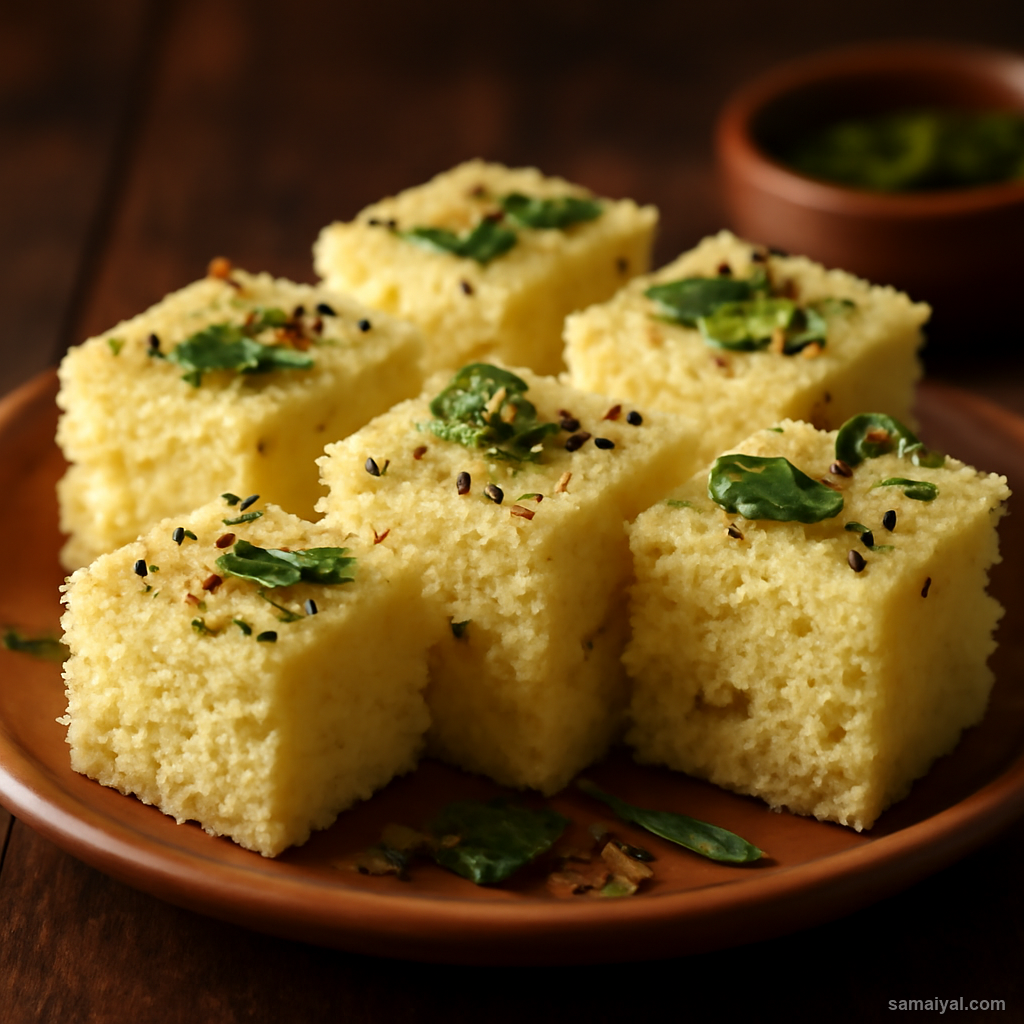
Fluffy steamed chickpea flour cake from Gujarat — light, spongy, tangy and totally addictive.

Mumbai's vegetarian burger — spiced potato dumpling in a fried batter, served in a...
 ⭐ Featured
Crispy golden pastry filled with spiced potatoes and peas — India's most loved snack,...
Comments & Tips
Be the first to share your experience with this recipe!
Leave a Comment