 ⭐ Featured
Pav Bhaji
Mumbai's beloved mashed vegetable curry served on butter-toasted soft buns — street food gold.
Hard-boiled eggs encased in a spiced potato shell, coated in breadcrumbs and deep-fried into golden ovals — the Kolkata Anglo-Indian croquette-inspired snack found at College Street tea stalls and old Calcutta bakeries. A product of the colonial-era fusion food culture of Calcutta.
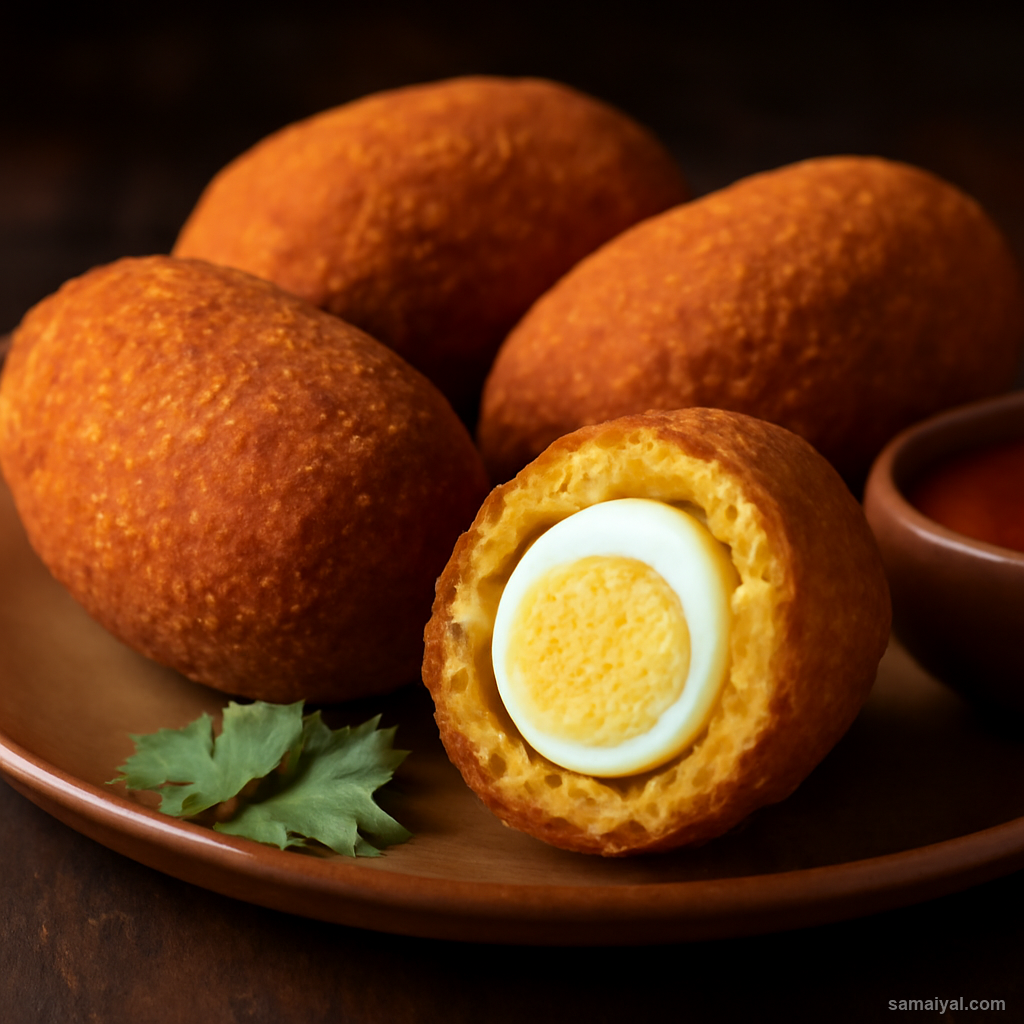
Make the spiced potato mixture: Combine completely smooth mashed potato with finely chopped onion, minced green chilli, ginger paste, red chilli powder, cumin powder, garam masala and salt. Mix well. Divide into 6 portions.
Encase each egg: Flatten one portion of potato in your palm. Place one hard-boiled egg in the centre. Wrap the potato around the egg firmly, completely encasing it. Shape into a smooth oval or egg shape. The potato shell should be uniform in thickness.
Repeat for all 6 eggs.
Refrigerate 15 minutes: Chill the encased eggs — this firms the potato shell and prevents it from falling apart during frying.
Set up breading station: Have beaten egg in one bowl and breadcrumbs in another.
Bread each devil: Dip each potato-encased egg into beaten egg. Roll in breadcrumbs until fully coated. Dip again in egg and breadcrumbs for a second coat — this double coating prevents cracking during frying.
Heat oil: Heat oil in a kadai on medium.
Fry: Add 2 to 3 devils at a time. Fry on medium heat for 3 to 4 minutes, turning gently, until golden all over.
Drain on paper towels.
Serve hot: Cut in half to reveal the egg inside. Serve with mustard sauce or green chutney.
Note: Dim Er Devil (dim = egg in Bengali, devil = the colonial-era name for a croquette) is a product of colonial Calcutta's Anglo-Indian food culture — the British-influenced culture of frying encased protein in breadcrumbs, applied to the Bengali preference for eggs. Found at the well-known tea stalls of College Street in north Kolkata, at old Calcutta bakeries and at the distinctive Calcutta clubs and institutions. The Anglo-Indian food of Calcutta — which developed over 200 years of British presence — is one of the most distinctive and under-documented food traditions in India.
⭐ Featured
Mumbai's beloved mashed vegetable curry served on butter-toasted soft buns — street food gold.
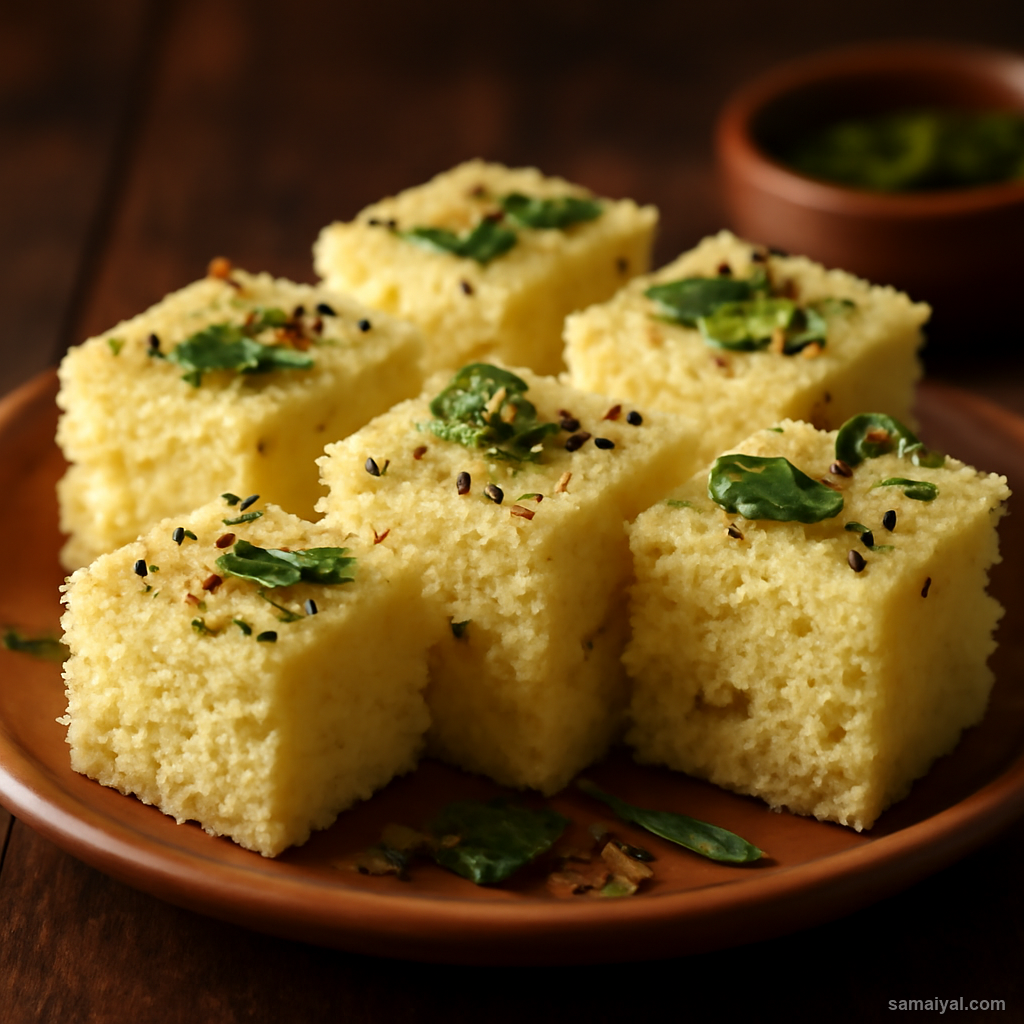
Fluffy steamed chickpea flour cake from Gujarat — light, spongy, tangy and totally addictive.
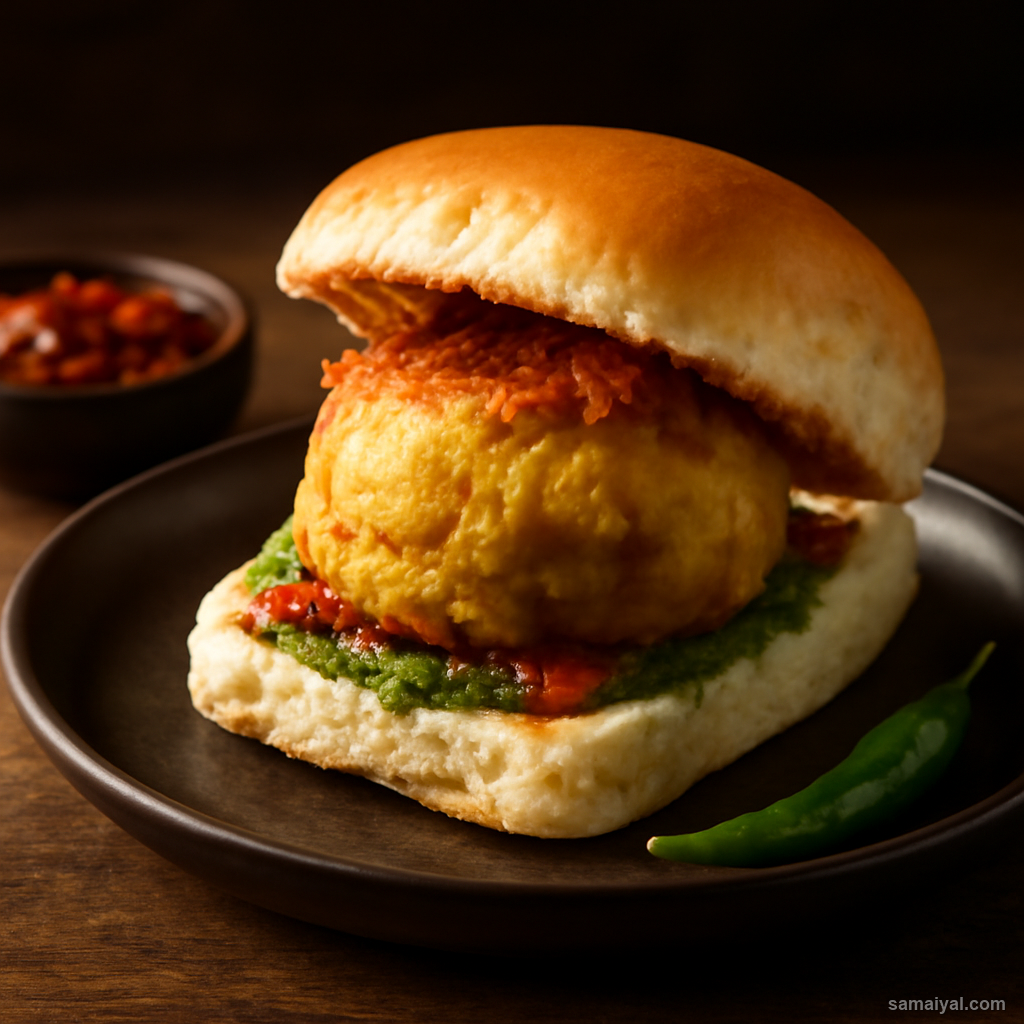
Mumbai's vegetarian burger — spiced potato dumpling in a fried batter, served in a...
 ⭐ Featured
Crispy golden pastry filled with spiced potatoes and peas — India's most loved snack,...
Comments & Tips
Be the first to share your experience with this recipe!
Leave a Comment