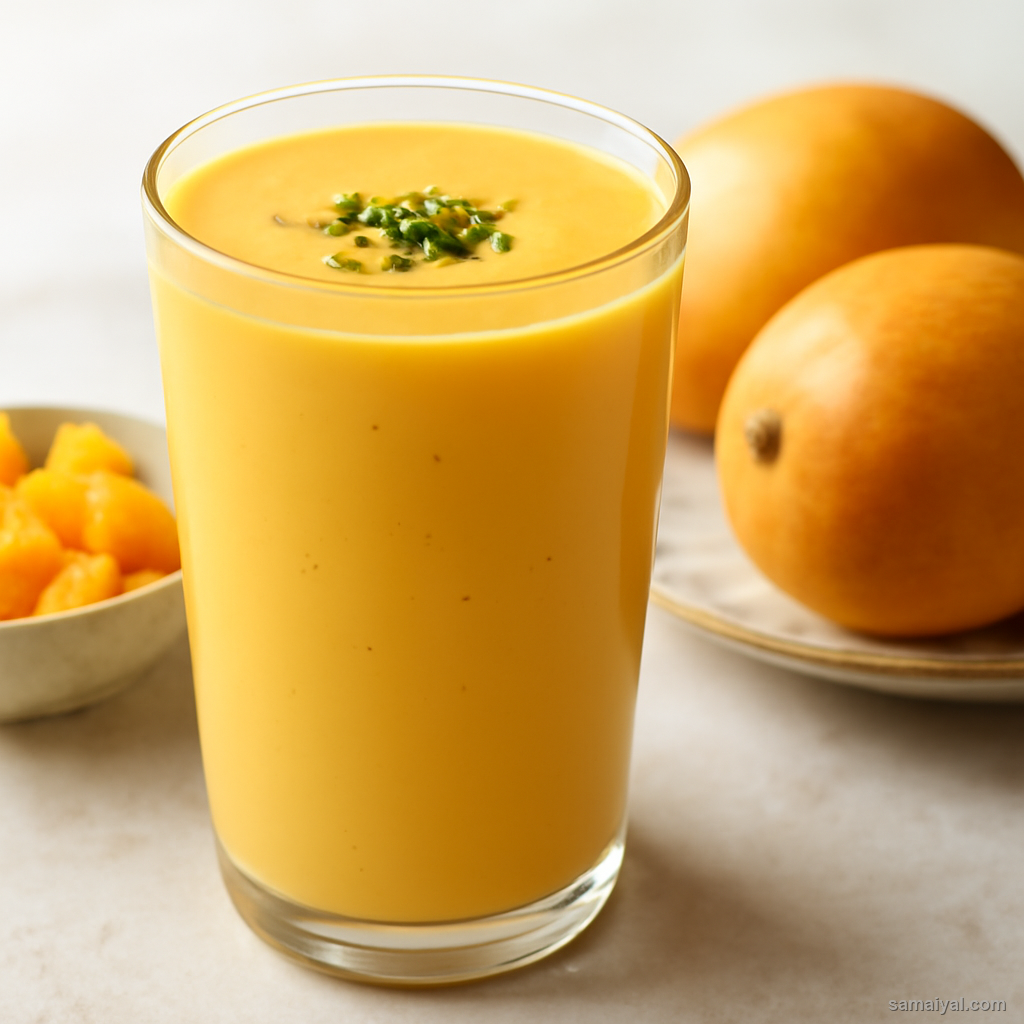
Mango Lassi
Thick yogurt blended with sweet Alphonso mangoes — cool, creamy and the perfect Indian...
A traditional fermented glutinous rice preparation made for Mizo cultural festivals and community events — this version uses glutinous rice and produces a thicker, milkier beverage than the regular rice version. A heritage preparation being preserved by cultural organisations in Mizoram.

Cook glutinous rice: Wash 2 cups glutinous rice. Cook with 3 cups water for 20 to 25 minutes until fully soft and sticky. Spread to cool completely.
Add yeast: Sprinkle dry yeast over completely cooled rice. Mix with clean hands.
First fermentation — 2 to 3 days: Transfer to a clean container. Cover loosely. Ferment 2 to 3 days at room temperature.
Add cold water: Add 4 to 6 cups cold water. Stir gently.
Second fermentation — 6 hours: Leave covered 6 hours. The glutinous rice starch will dissolve into the water, creating a milky, cloudy liquid.
Strain through cloth: Pour through muslin cloth, pressing the rice mass firmly. The strained liquid will be cloudy and milky from the glutinous rice starch.
Taste: Zu made from glutinous rice is milkier and thicker than regular rice beer — slightly sweet, mildly sour and faintly alcoholic.
The cultural context: Note that traditional fermented beverages are largely no longer produced in Christian Mizo households. Zu is preserved primarily as a cultural heritage preparation at festivals and cultural exhibitions.
Serve chilled: Refrigerate 1 hour. Serve cold in bamboo cups at cultural events.
Consume within 2 days.
Note: Zu is the traditional fermented glutinous rice beer of the Mizo people — historically consumed at cultural festivals, during agricultural rituals and for ceremonies marking birth, marriage and death. With the adoption of Christianity across Mizoram in the 20th century, the production and consumption of traditional fermented beverages declined significantly. Zu is now primarily prepared and consumed at cultural heritage events, by traditional cultural organisations and by the remaining communities that maintain pre-Christian Mizo traditions. It represents an important part of Mizo cultural memory.
Thick yogurt blended with sweet Alphonso mangoes — cool, creamy and the perfect Indian...
 ⭐ Featured
Spiced black tea with ginger, cardamom and cinnamon — India's universal warm embrace in a cup.
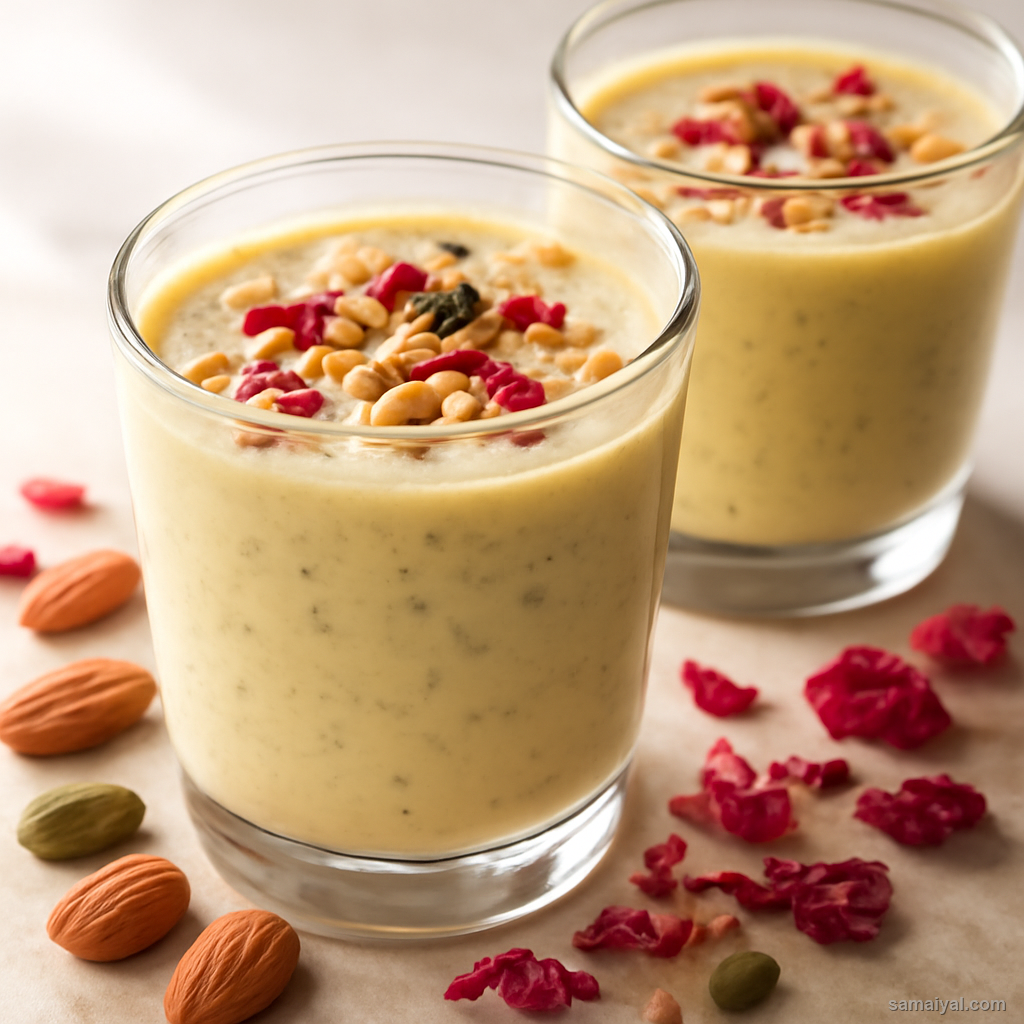
Chilled almond-spice-rose milk drink traditionally made for Holi — refreshing,...

Indian spiced lemonade with roasted cumin and black salt — light, tangy and the best...
Comments & Tips
Be the first to share your experience with this recipe!
Leave a Comment