 ⭐ Featured
Pav Bhaji
Mumbai's beloved mashed vegetable curry served on butter-toasted soft buns — street food gold.
Fermented naga chilli with ginger — the borderland condiment of eastern Arunachal
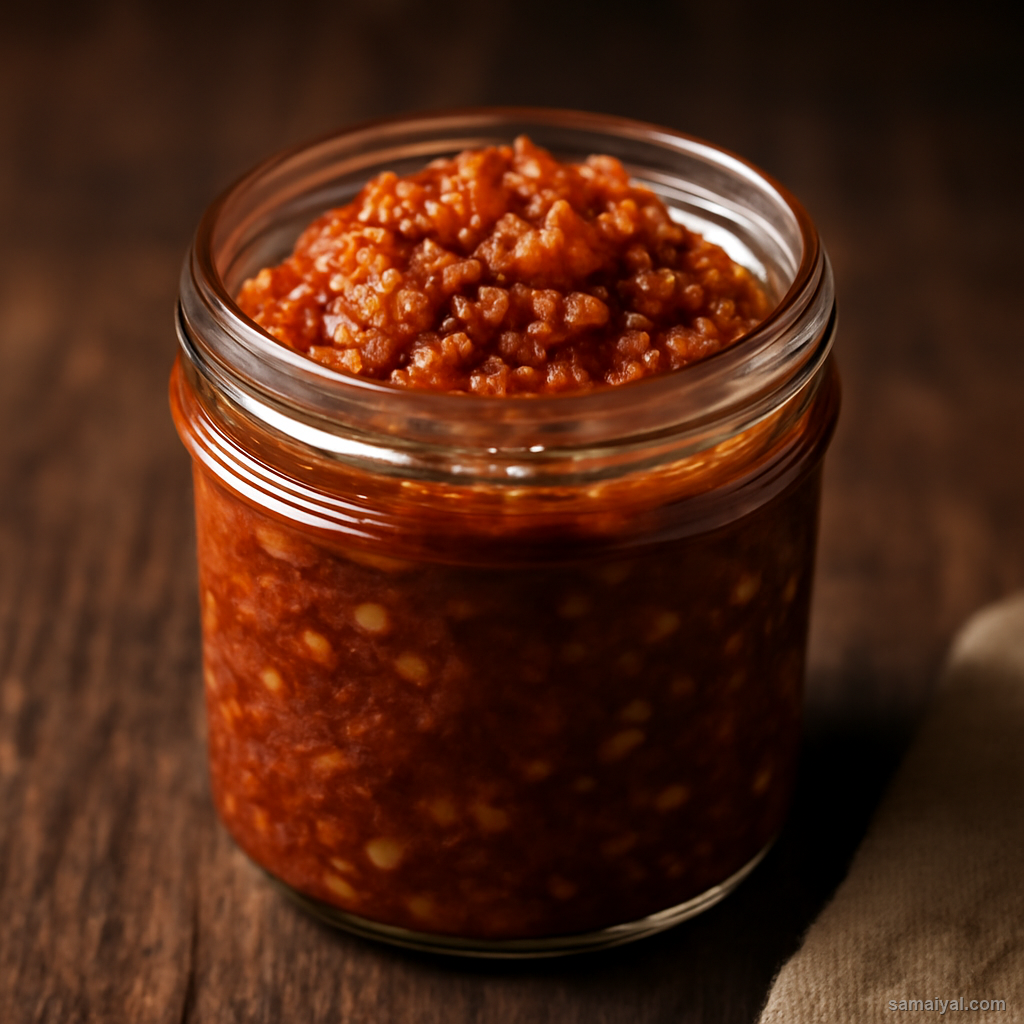
About Naga Style Chilli Paste: This borderland chilli paste shows the deep cultural influence of Nagaland on eastern Arunachal Pradesh — particularly the Tirap, Changlang and Longding districts that share borders with the Naga hills. Made with bhoot jolokia (ghost chilli, one of the world's hottest chillies) and a touch of fermented fish, it is a near-medicinal condiment used in tiny amounts.
Understand the heat warning: Bhoot jolokia ranks above 1,000,000 Scoville units — at least 200 times hotter than a jalapeno. This paste is for adults who already eat very spicy food. A pea-sized amount is enough for a meal. Wear gloves while handling and never touch your eyes.
Choose your chillies carefully: Use 4 whole dried bhoot jolokia or naga chillies. They should look deep red-brown, papery, and feel completely dry. If you cannot source bhoot jolokia, use the hottest dried chillies you can find — but the result will be milder.
Wear gloves: This is non-negotiable. The capsaicin in these chillies will burn your skin for hours and is dangerous near eyes or sensitive areas. Use disposable kitchen gloves throughout the recipe.
De-stem and lightly de-seed: Pull off the dried stems. Tap each chilli to dislodge most of the seeds — leaving a few is fine, but most should go. The seeds carry concentrated heat with no flavour and removing them keeps the paste flavoured rather than just brutal.
Dry-roast briefly: Heat a heavy dry pan over medium-low heat. Add the chillies. Toast for 30-45 seconds, turning constantly, until they smell deeply toasted and the colour darkens slightly. Open a window — the fumes are intense and irritate the airways. Do not let the chillies blacken; burnt chillies taste bitter.
Let them cool: Transfer the toasted chillies to a plate and let cool for 5 minutes. Hot chillies are more difficult to grind cleanly.
Prepare the garlic and ginger: Take 3 garlic cloves. Peel and roughly chop. Take a 1-inch piece of fresh ginger. Peel and chop into rough pieces.
Understand the fermented note: Authentic Arunachali-Naga chilli paste includes a small amount of fermented fish (akhuni or local equivalents) for the deep umami backbone. If you cannot source it, use 1 tsp dark soy sauce as a substitute — it is not the same, but it provides the umami the paste needs.
Pound in a mortar (most authentic): Place the cooled chillies, chopped garlic, chopped ginger and 1/2 tsp salt in a heavy stone mortar. Pound for 5-7 minutes with steady pressure. The mixture should slowly turn into a coarse, deep red paste with the chillies broken down but still showing texture.
Or grind in a small grinder: If you do not have a heavy mortar, use a small spice grinder. Pulse 8-10 times with the same ingredients, scraping down between pulses. Do not over-grind to a smooth paste; the rustic texture is part of the experience.
Add the fermented note: Once the chillies, garlic, ginger and salt are pounded together, add 1 tsp fermented fish or 1 tsp dark soy sauce. Pound or pulse 30 seconds more to incorporate.
Heat the mustard oil: Pour 1 tbsp mustard oil into a small pan over medium-high heat. Heat for 30 seconds until smoking — this removes the raw bitterness. Switch off and let cool for 2 minutes.
Mix the cooled oil into the paste: Pour the cooled mustard oil over the pounded paste. Stir to combine — the paste should look glossy, deep dark red, and just hold its shape on a spoon.
Taste warning: Do not taste a full spoonful. Touch the tip of a clean knife to the paste, then touch the very tip of your tongue with that knife. Even a microscopic amount delivers the full impact. The flavour should hit you with intense fiery heat first, then deep umami from the fermented fish, with garlic and ginger backing it up.
Store properly: Transfer to a clean, dry, sterilised glass jar. Smooth the surface and pour 1 tsp more mustard oil on top to create an oil seal — this preserves the paste. Cover tightly and refrigerate. Keeps for 2 weeks.
Serve in tiny amounts: A pea-sized blob smeared onto rice and mixed in is enough for one full plate. Use as a condiment with rice, momos, fried fish, or steamed vegetables — never as a main sauce. Always use a clean dry spoon to scoop. Keep away from children.
Safety tip: After cooking, wash hands with soap and cold water 3-4 times. Hot water spreads capsaicin further into the skin. If your skin or eyes burn after handling, dab with milk or yogurt; water alone does not help.
⭐ Featured
Mumbai's beloved mashed vegetable curry served on butter-toasted soft buns — street food gold.
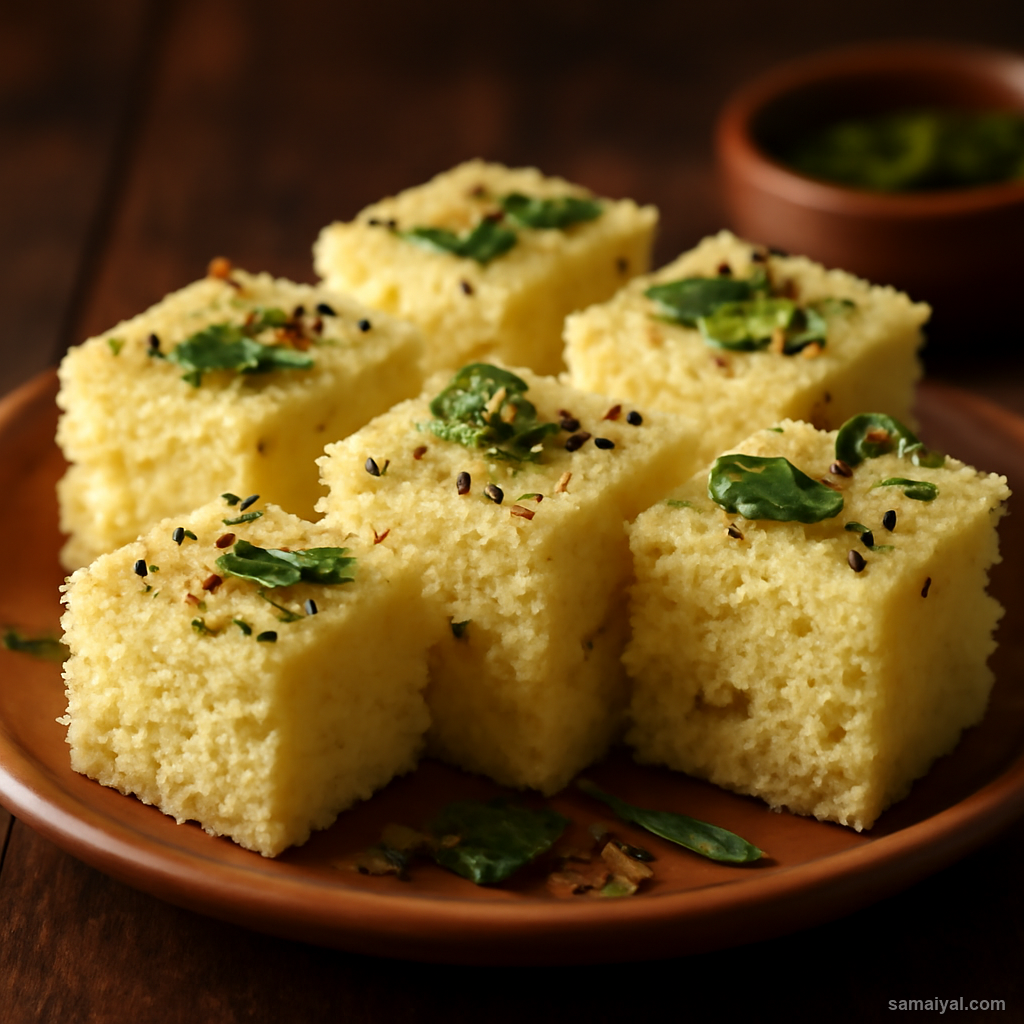
Fluffy steamed chickpea flour cake from Gujarat — light, spongy, tangy and totally addictive.
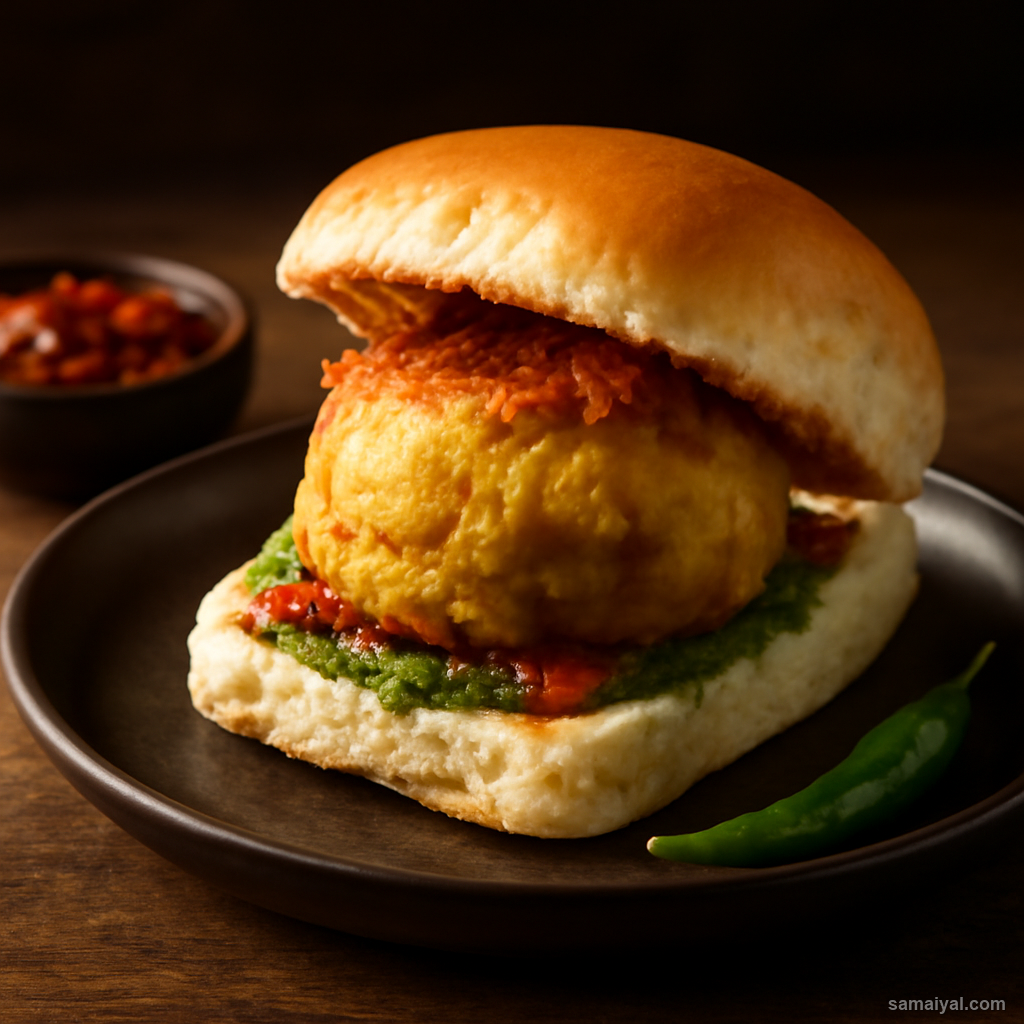
Mumbai's vegetarian burger — spiced potato dumpling in a fried batter, served in a...
 ⭐ Featured
Crispy golden pastry filled with spiced potatoes and peas — India's most loved snack,...
Comments & Tips
Be the first to share your experience with this recipe!
Leave a Comment