 ⭐ Featured
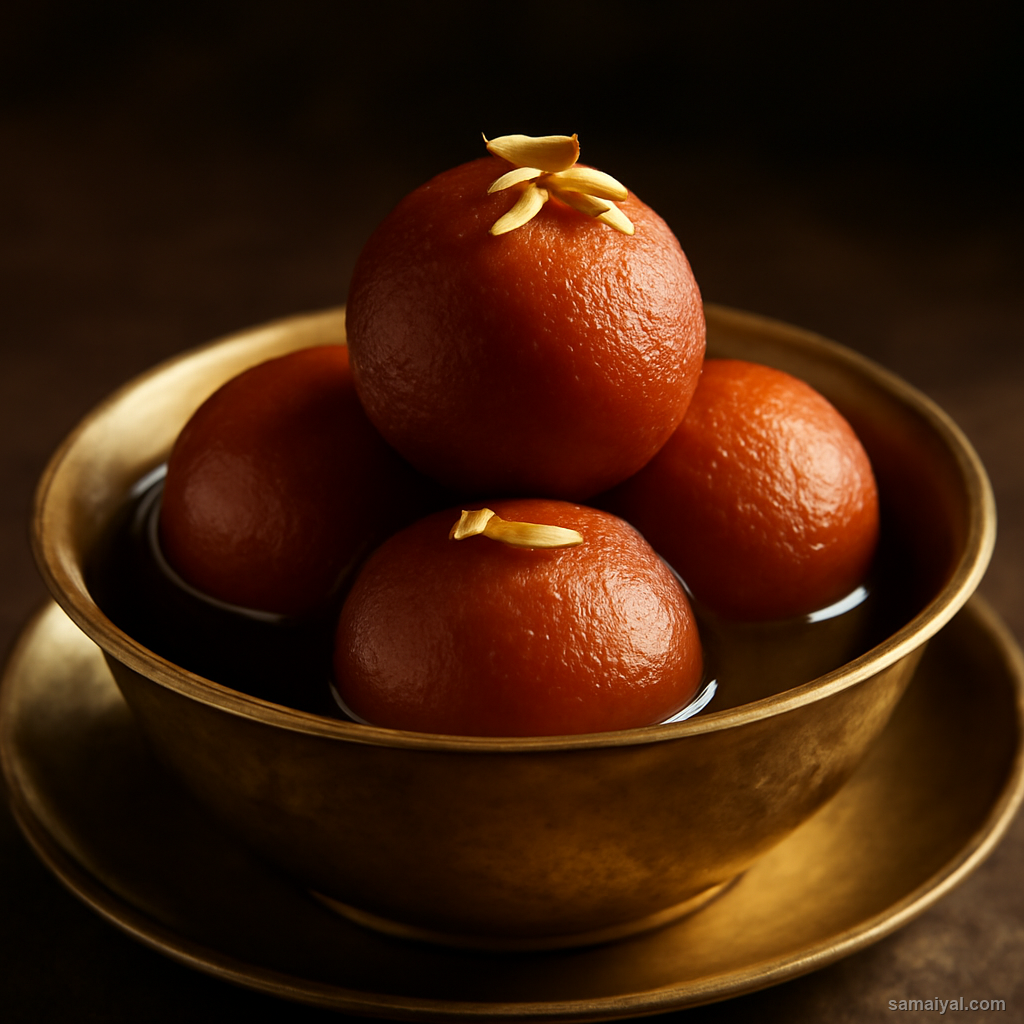
Gulab Jamun
Soft milk-solid dumplings soaked in fragrant rose sugar syrup — India's most beloved sweet.
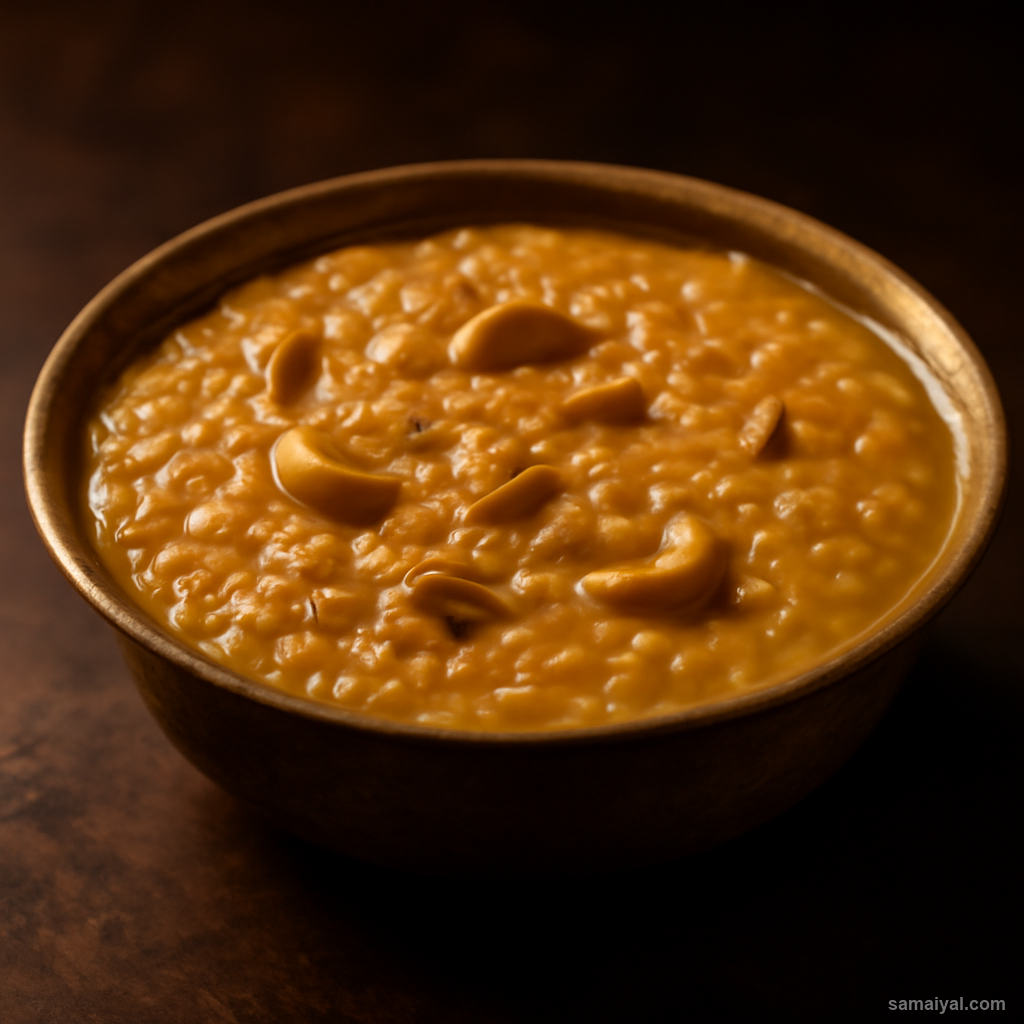
Full-fat milk reduced with rice and sweetened with freshly tapped date palm jaggery (notun gur) — the first-of-season kheer made immediately when the new jaggery arrives in November. The most prized version of payesh, made only for 3 to 4 weeks each year when the jaggery is at its freshest.
Bring milk and bay leaves to a boil: Heat 1.2 litres full-fat milk with bay leaves in a wide heavy pot. Bring to a full boil.
Add the washed rice: Add the drained short-grain rice. Stir immediately.
Cook on medium heat for 40 minutes: Stir every 3 to 4 minutes. The milk reduces and thickens progressively as the rice cooks and starch releases.
Remove bay leaves: After 30 minutes, remove and discard the bay leaves.
Remove from heat when thickened: Once the milk has reduced by half and the rice is fully cooked and swollen, remove the pot from heat entirely. Allow to cool for 3 minutes. This cooling is essential — adding jaggery to boiling milk causes curdling.
Add the notun gur: Add the fresh date palm jaggery to the warm (not boiling) payesh. Stir gently as it dissolves and transforms the white payesh into a pale caramel-gold colour.
Add cardamom: Add cardamom. Stir.
Taste: The notun gur payesh should have a distinctive fragrance — like caramel with a faint smokiness and deep sweetness that refined sugar can never replicate.
Serve warm or chilled: Both are acceptable — Bengali practice varies by household.
Consume the same day: Notun gur payesh changes flavour rapidly — the fresh jaggery ferments slightly if kept overnight.
Note: Notun Gur (notun = new, gur = jaggery) refers to the first extraction of date palm sap each season — tapped from the trees in November and collected in clay pots before sunrise to prevent fermentation. This first-of-season jaggery is the most prized and most fragrant. The payesh made from notun gur is a once-a-year preparation that Bengalis anticipate for months. The fragrance of notun gur is described as the smell of winter in Bengal.
⭐ Featured
Soft milk-solid dumplings soaked in fragrant rose sugar syrup — India's most beloved sweet.

Slow-cooked rice pudding with cardamom, saffron, nuts and rose water — pure comfort in a bowl.

Slow-cooked grated carrot pudding with ghee, milk and cardamom — a winter celebration classic.

Spongy soft chenna balls cooked in light sugar syrup — the iconic Bengali sweet.
Comments & Tips
Be the first to share your experience with this recipe!
Leave a Comment