 ⭐ Featured
Pav Bhaji
Mumbai's beloved mashed vegetable curry served on butter-toasted soft buns — street food gold.
Fresh coconut pickle — raw grated coconut tempered with a pungent mustard-asafoetida base, eaten same day.

About Thengai Oorugai: Thengai Oorugai is the zero-cooking village condiment — the coconut is raw, only the spices are toasted. Across Tamil Nadu, particularly in coastal regions where coconut is abundant, thengai oorugai is the no-cook pickle/condiment that uses fresh coconut as its base. Distinct from cooked Tamil chutneys — this preparation preserves the natural sweetness and crunch of fresh coconut while adding bold spice and tangy character. The result is a beloved everyday condiment that elevates simple meals into something memorable.
Understand the dish: Thengai oorugai is essentially fresh coconut pickle — fresh grated coconut combined with spices, oil, and souring agent into a complex condiment. The "oorugai" suffix means pickle/preserve in Tamil. Distinct from "thogayal" (Tamil chutneys with cooked components) — thengai oorugai is genuinely uncooked except for the brief tempering. Far more accessible than traditional Indian pickles that require weeks of fermentation.
Gather ingredients: 1.5 cups freshly grated coconut (fresh is essential — desiccated produces dry inferior pickle; frozen-thawed works as substitute), 1/4 cup neutral cooking oil (sesame oil is most authentic for proper Tamil flavour; coconut oil also works), 2 tsp mustard seeds, 1 tsp urad dal, 1 tsp chana dal, 4-5 dried red chillies, 1/4 tsp asafoetida, 1 sprig fresh curry leaves, 1 tbsp tamarind paste (or 1 tbsp tamarind extract), 1 tsp salt, 1/2 tsp red chilli powder, 1 tsp grated jaggery (balances acid).
For extended preservation, use sterilised glass jars: Wash a clean glass jar with hot soapy water. Rinse with hot water. Air dry completely.
Do the tempering: Heat 1/4 cup oil in a small heavy-bottomed pan over medium-high heat. Heat 30 seconds until shimmering. Add 2 tsp mustard seeds — they will pop within 5-10 seconds (keep splatter screen handy). Wait for popping to slow (about 20 seconds).
Add the dals and chillies: Add 1 tsp urad dal and 1 tsp chana dal. Stir for 60 seconds — both dals turn golden brown. Add 4-5 dried red chillies (snapped in half). Stir for 5 seconds — chillies darken slightly. Add 1/4 tsp asafoetida and the curry leaves. Stir for 5 seconds.
Add remaining wet ingredients: Add the 1 tbsp tamarind paste and stir for 30 seconds. The tamarind dissolves into the hot oil. Sprinkle in 1/2 tsp red chilli powder and 1 tsp grated jaggery. Stir for 30 seconds — jaggery melts and integrates.
Let the tempering cool slightly: Switch off the heat. Let the tempering cool in the pan for 5 minutes. The oil should be warm but not hot — adding hot tempering directly to fresh coconut destroys its character.
Combine with coconut: In a wide bowl, place the 1.5 cups grated coconut. Pour the warm tempering over the coconut. Add 1 tsp salt. Use a wooden spoon to mix thoroughly — every piece of coconut should be coated with the spiced oil.
Let rest and integrate: Cover and let rest for 30 minutes at room temperature. The coconut absorbs the flavours from the tempering, and the dish develops its complex character.
Final flavour adjustment: After resting, taste. Should taste deeply complex — sweet fresh coconut, sharp mustard pungency, deep tamarind acidity, gentle warming chilli, fragrant curry leaves. The flavour is bold but balanced. Adjust salt to taste — about 1/2 tsp more if needed. For more tang, add 1/2 tsp more tamarind paste (mix briefly). For more sweetness, add 1 tsp more grated jaggery.
Serve across contexts: Serve as everyday Tamil condiment alongside rice, dosa, idli, or any Tamil meal. The bold flavour elevates simple meals. Particularly excellent with curd rice — the cooling rice with the bold pickle is iconic Tamil eating. Spread thengai oorugai on hot dosa or idli — produces a remarkable simple breakfast variation. Pack in small jars for school or office lunch — keeps well for several days at room temperature.
For children, traditional eating: The bold flavour can be intense for young children — start with small amounts and dilute with rice. Many Tamil children grow up loving the spicy-sweet-tangy character of this condiment.
Variations: Some Tamil families add 1 tbsp grated mango (semi-ripe) for additional fruity tang. Others add 1 tsp ground roasted cumin for warming character. For elaborate version, add 1 tbsp finely chopped fresh ginger to the tempering — produces a more complex aromatic.
A cultural and historical note: The oorugai tradition reflects Tamil rural ingenuity — using abundant fresh coconut as the base for a complex condiment. As modern Tamil eating shifts toward processed pickles and packaged condiments, traditional handmade oorugai has declined; cooks who maintain the tradition are valuable cultural keepers. Thengai oorugai provides healthy fats from coconut and oil, antioxidants from spices, complex amino acids, and fibre. Used in moderation as a condiment, the dish is genuinely health-supporting.
Leftover storage: Stored in clean airtight glass jars at room temperature, thengai oorugai keeps for 5-7 days. Refrigerate to extend shelf life to 2-3 weeks. The flavour deepens slightly over the first 1-2 days as flavours integrate. Always use a clean dry spoon to scoop — prevents contamination that shortens shelf life.
⭐ Featured
Mumbai's beloved mashed vegetable curry served on butter-toasted soft buns — street food gold.
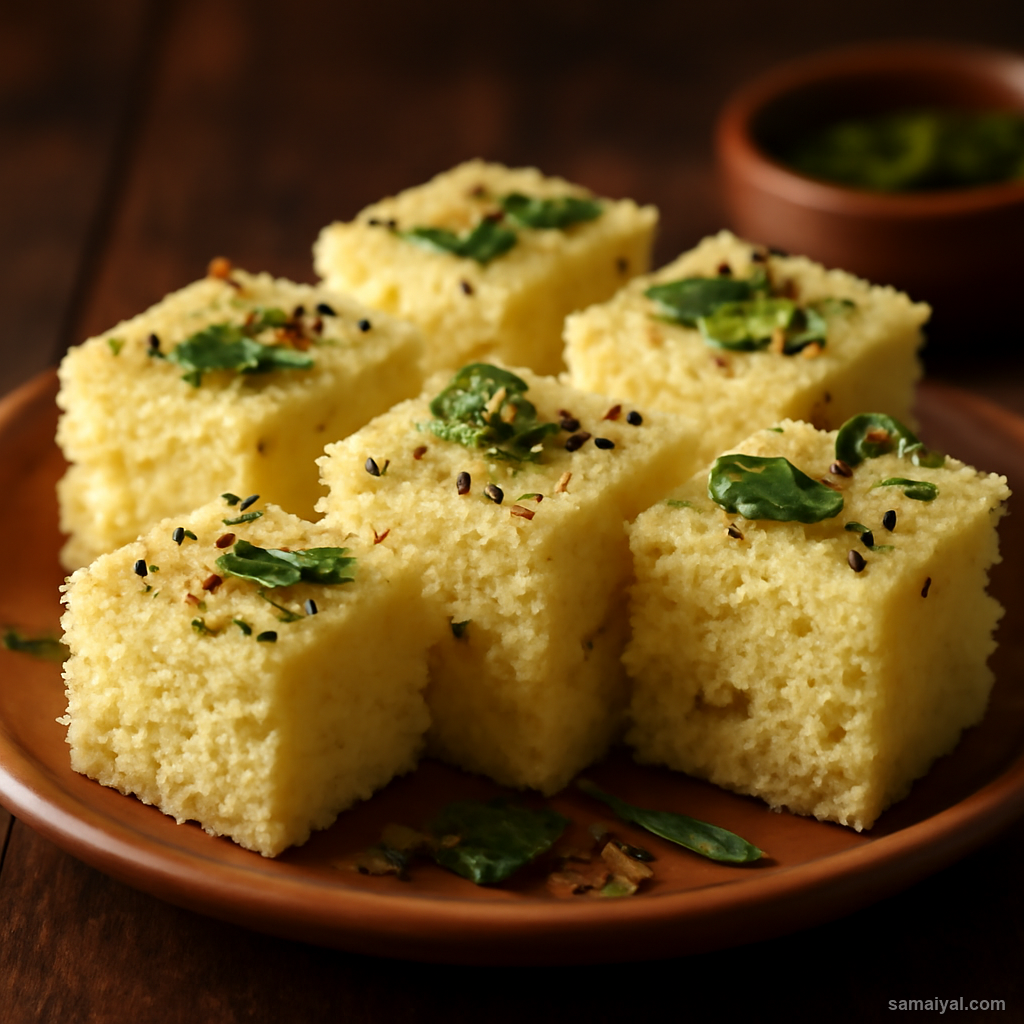
Fluffy steamed chickpea flour cake from Gujarat — light, spongy, tangy and totally addictive.
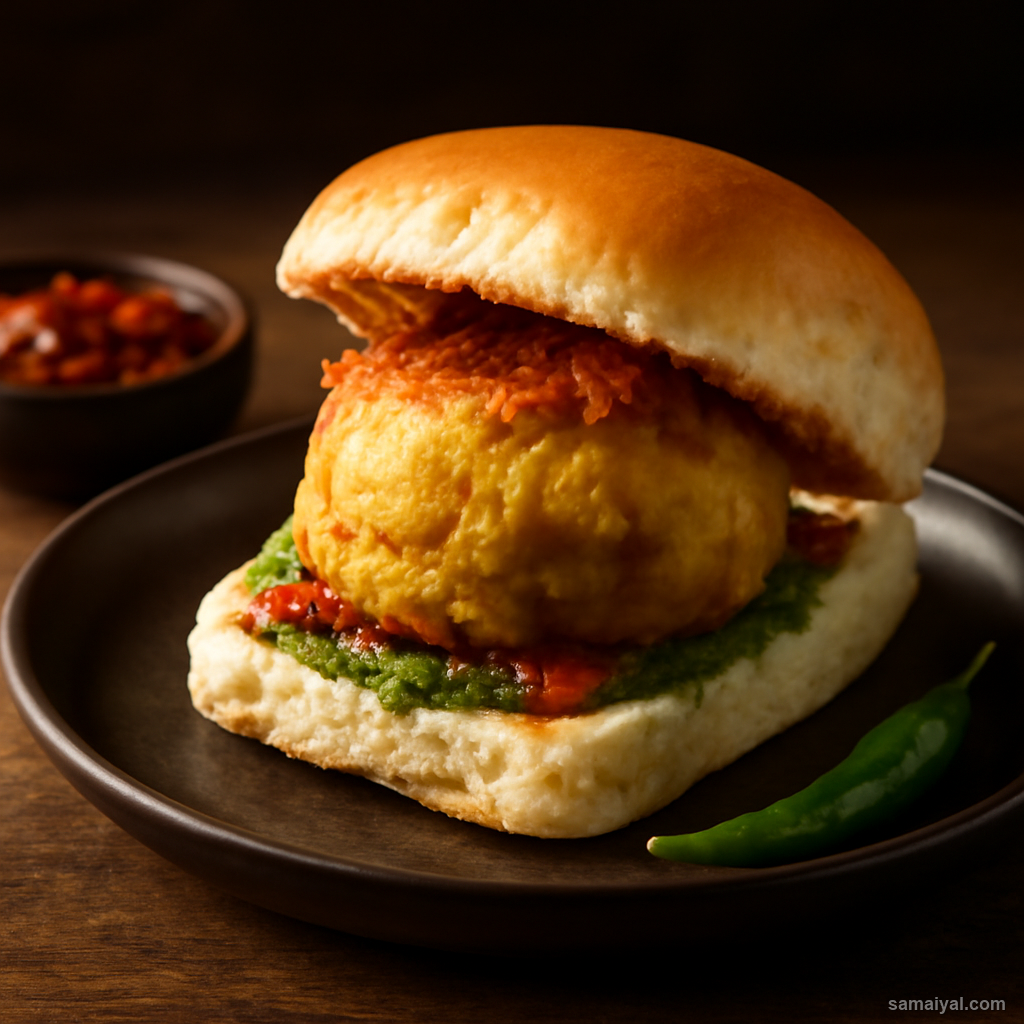
Mumbai's vegetarian burger — spiced potato dumpling in a fried batter, served in a...
 ⭐ Featured
Crispy golden pastry filled with spiced potatoes and peas — India's most loved snack,...
Comments & Tips
Be the first to share your experience with this recipe!
Leave a Comment