 ⭐ Featured
Pav Bhaji
Mumbai's beloved mashed vegetable curry served on butter-toasted soft buns — street food gold.
Fermented soybean paste — the umami condiment at the heart of Arunachali cooking
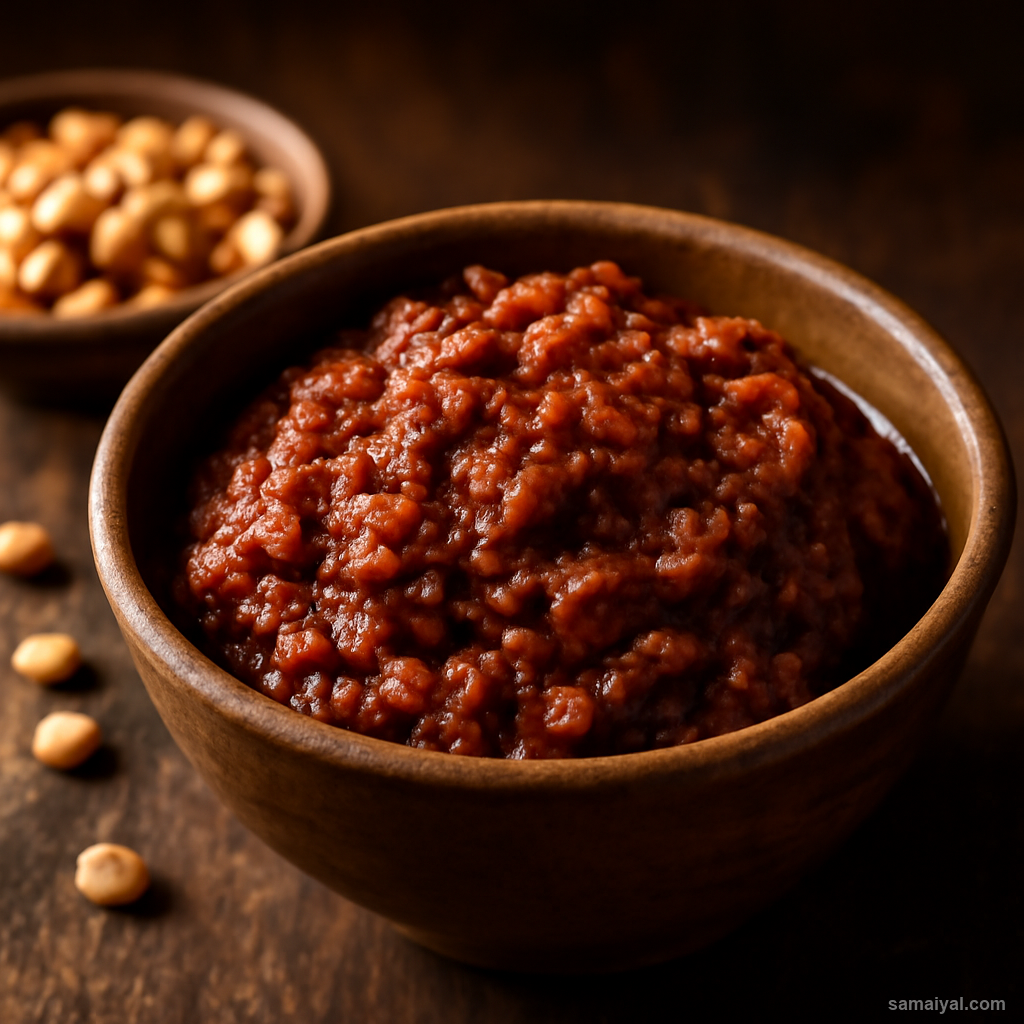
About Pehak Fermented Soybean: Pehak is the Arunachali fermented soybean — similar to Japanese natto in fermentation principle but distinctly different in flavour and use. Across Apatani, Adi, Galo, and Nyishi communities, pehak is a foundational ingredient — used in soups, stews, and chutneys. Reflects centuries of Northeast Indian fermentation wisdom: take an abundant legume, ferment with traditional knowledge, produce a deeply nutritious umami-rich ingredient.
Understand the dish: Pehak is fermented soybean used as a flavouring/seasoning ingredient — like Japanese miso or natto. NOT eaten by itself. Crumbled into soups, stews, or chutneys to provide umami depth and protein boost.
IMPORTANT food safety: Fermentation is a controlled biological process. Improper fermentation (wrong temperature, contamination, too much/too little time) can produce harmful bacteria. Follow the protocol carefully. Discard if anything looks or smells off.
Gather ingredients: 500g whole soybeans (yellow soybeans most traditional; black soybeans work and are slightly less common; available at Asian markets, Indian groceries, or specialty health stores), water for cooking, 4-5 fresh banana leaves for wrapping, optional 1 tbsp salt for seasoning before fermenting (some traditions add salt; others ferment without).
Wash and soak: Wash soybeans thoroughly in 3-4 changes of cold water until water is clear. Cover with plenty of cold water (5cm above bean level). Soak overnight (12-16 hours). Drain in a sieve. Beans should look noticeably plumper and slightly heavier.
Cook the beans: Place soaked drained beans in a large saucepan with plenty of fresh water (cover by 5cm). Bring to a boil over high heat. Reduce to medium-low. Simmer for 1-1.5 hours until very soft when pressed — should mash easily between thumb and finger. Remove and discard the soft outer skins as they float to the surface during cooking. Drain through a sieve.
Cool and shape: Transfer drained cooked beans to a wide tray. Cool to room temperature for 30-45 minutes. Hot beans will kill the natural fermentation bacteria. Test with hand — should feel cool but not cold. Use clean hands or a clean wooden spoon to lightly mash the cooled beans into coarse paste — beans should still be visible (not pureed). If using salt, add 1 tbsp now and mix thoroughly.
Wrap in banana leaves: Pass each banana leaf briefly over a low gas flame for 5-10 seconds — softens them and adds aromatic character. Wipe with damp cloth before use; do not wash with water. Take 100-150g portions of bean paste. Place each portion on the centre of a banana leaf. Fold the leaf over, completely enclosing it. Tie with kitchen twine.
Ferment 2-3 days: Place wrapped packets in a warm place — ideally around 25-30°C. Traditional Arunachali kitchens place them near the cooking hearth. If your kitchen is cool, use a sealed insulated cooler with a hot water bottle, or place in a switched-off oven with the light on. Naturally occurring bacteria multiply, breaking down soybean proteins to produce the umami-savoury flavour and characteristic sticky texture.
Fermentation signs and spoilage: After 2-3 days, packets will have developed distinctive yeasty-fermented aroma. Some sticky strands may be visible (the natto-like character). IMPORTANT: if fermentation produces black mold, foul rotten smell (different from fermented), or visible bad coating, discard. Properly fermenting pehak should always smell distinctive but not putrid.
Use fresh or store: Properly fermented pehak can be used immediately. To store, refrigerate in airtight container — keeps for 5-7 days. For longer storage (up to 1 month), spread on a clean tray and sun-dry for 2-3 days, then store in airtight container at room temperature.
Using pehak — soups: Crumble 1-2 tablespoons of pehak into a bowl of soup or broth. Stir to dissolve slightly. Adds umami depth and protein.
Using pehak — stews: Add 2-3 tablespoons crumbled pehak during cooking of vegetable or meat stews. Particularly excellent in Ngam Peh (recipe id 1179) — Nyishi vegetable stew built around pehak.
Using pehak — chutneys: Combine 2 tbsp pehak with 1 chopped onion, 2 chopped green chillies, 1 chopped tomato, 1 tsp salt, and 1 tbsp lime juice. Coarsely grind or finely chop to a thick paste. Serve with rice or as condiment.
Using pehak — protein boost and getting started: Add 1 tbsp crumbled pehak to plain dal or vegetable preparations to increase protein and add depth. For those new to pehak, the flavour is intense and acquired (similar to miso/fish sauce/soy sauce but distinctly different). Start with very small amounts (1/2 tsp) — the flavour is concentrated.
A cultural and nutritional note: The pehak tradition reflects centuries of Northeast Indian fermentation wisdom. As modern lifestyles reduce traditional food production, pehak making has declined; cooks who maintain the tradition are valuable cultural keepers. Fermented soybean provides exceptional protein (about 35% by weight when fermented), B vitamins, vitamin K2, beneficial probiotic compounds, and complete amino acid profile. Modern research validates its health benefits — fermentation increases bioavailability of nutrients beyond raw soybeans.
Leftover storage: Fresh pehak in fridge for 5-7 days. Sun-dried pehak in airtight container for up to 1 month. The flavour deepens slightly over time.
⭐ Featured
Mumbai's beloved mashed vegetable curry served on butter-toasted soft buns — street food gold.
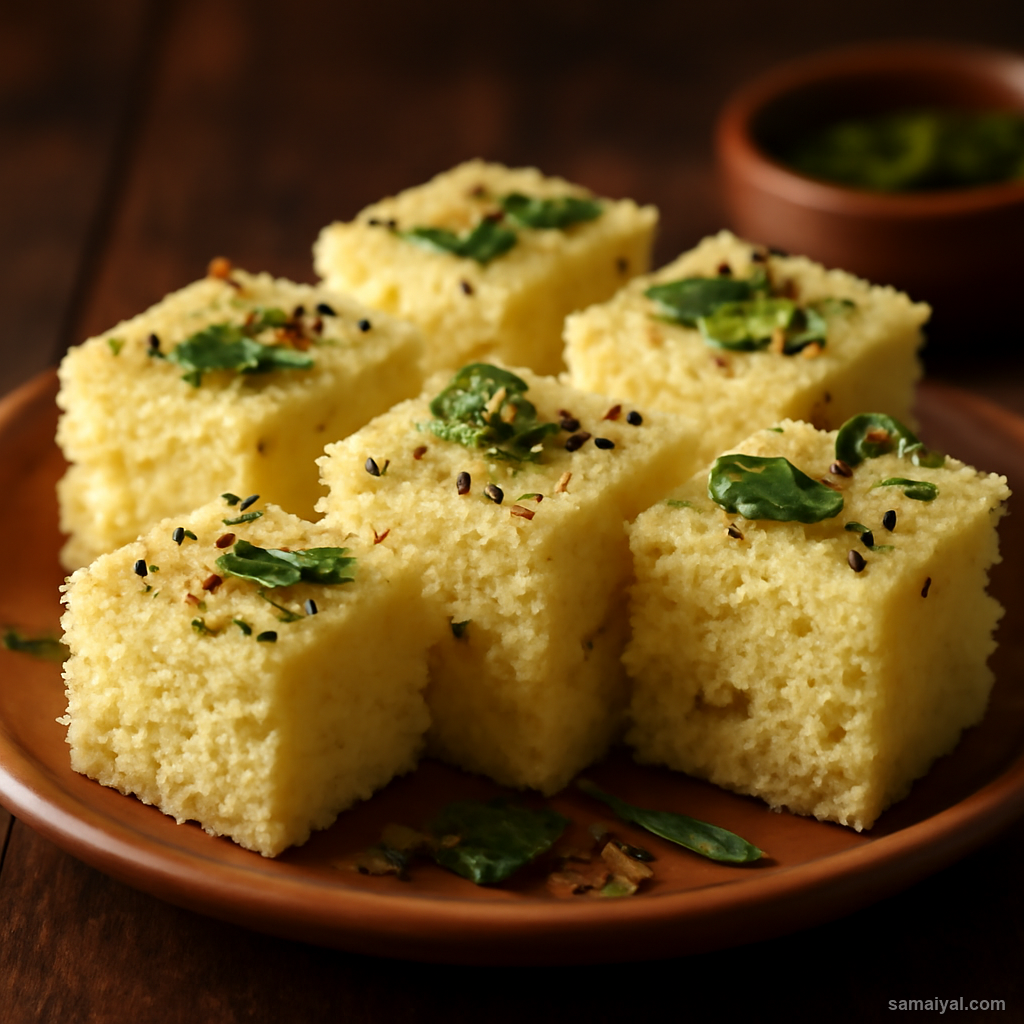
Fluffy steamed chickpea flour cake from Gujarat — light, spongy, tangy and totally addictive.

Mumbai's vegetarian burger — spiced potato dumpling in a fried batter, served in a...
 ⭐ Featured
Crispy golden pastry filled with spiced potatoes and peas — India's most loved snack,...
Comments & Tips
Be the first to share your experience with this recipe!
Leave a Comment