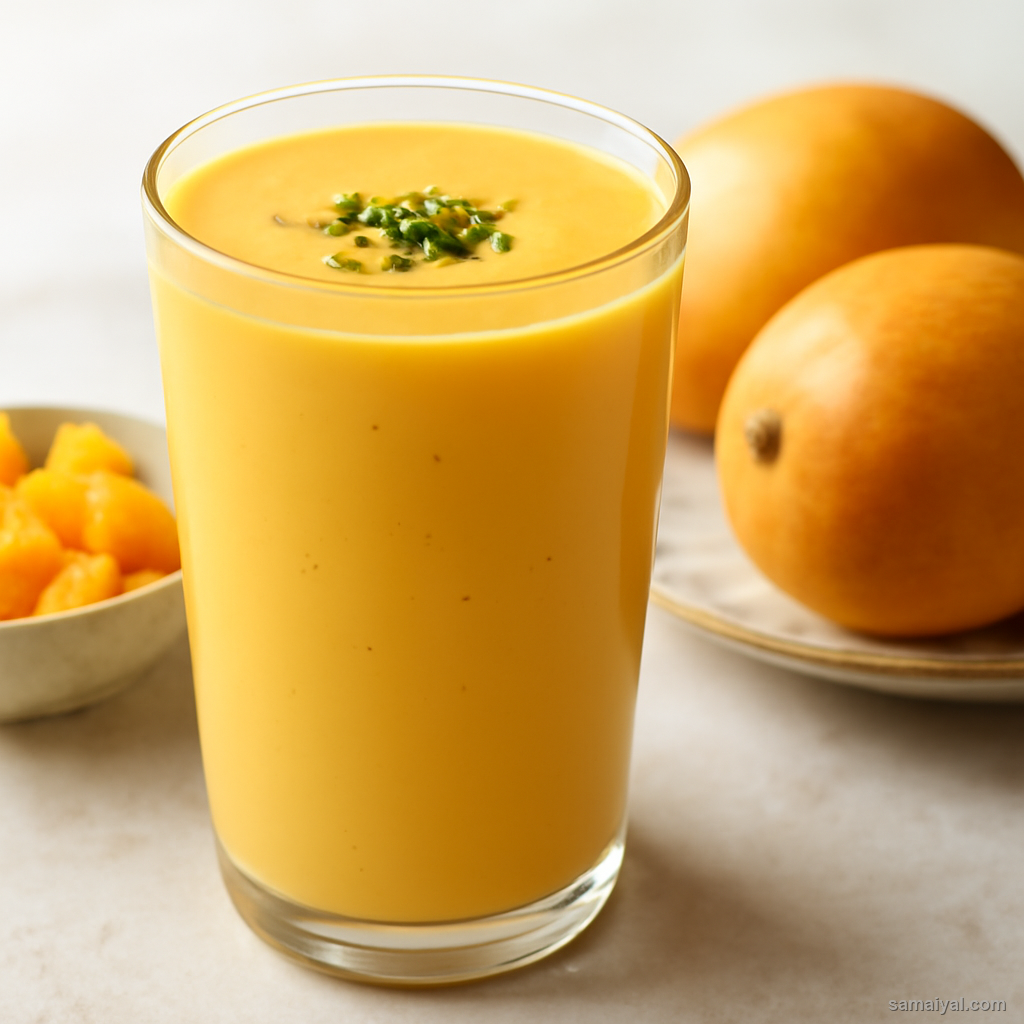
Mango Lassi
Thick yogurt blended with sweet Alphonso mangoes — cool, creamy and the perfect Indian...
Fermented wild honey drink — ancient ceremonial beverage of several Arunachali tribes

About Wild Honey Tribal Mead: Wild honey mead is an ancient fermented drink used in ceremonies and offered to guests as a sign of generosity across several Arunachali tribal communities — particularly the Adi, Galo and Apatani peoples. Important: this is an alcoholic beverage made through wild fermentation. This recipe is provided for cultural and educational documentation; consume responsibly and only if you are of legal drinking age.
IMPORTANT LEGAL AND HEALTH NOTES: Wild honey mead contains alcohol (typically 4-7% by volume after 3-5 days fermentation). It must only be consumed by adults of legal drinking age. Home-brewing alcohol may have legal restrictions in your region — check local laws before attempting. The fermentation process can fail unpredictably; if anything looks or smells off (visible mould, foul rot smell, pink/green discolouration), discard the entire batch.
This recipe is not for beginners: Traditional mead making requires some experience to judge fermentation quality. If you have never made fermented beverages, consider this a documentation of cultural heritage rather than a how-to guide.
Source the honey: Use 500g of wild honey if available — sold by specialty importers focusing on Northeast Indian or Himalayan products. Wild honey is rich in natural yeasts, which is what allows wild fermentation without added yeast.
Commercial honey may not work: Pasteurised commercial honey has been heat-treated, which kills the natural yeasts. Without yeast, fermentation will not happen. Use raw, unprocessed honey from a reputable producer if wild honey is unavailable.
Prepare a clean working space: Sterilisation matters in fermentation. Wash all surfaces, hands and equipment thoroughly with hot soapy water. Any contamination can ruin the batch.
Use the right water: Use 2 litres of clean drinking water. If your tap water has chlorine, use bottled or filtered water — chlorine kills wild yeasts and stops fermentation.
The critical no-heat rule: Never heat the honey or water above body temperature. Heat destroys the wild yeasts that drive fermentation. Use room-temperature water throughout.
Dissolve the honey: In a large clean glass jar or food-grade plastic container (5-6 litre capacity), combine the 500g honey with 2 litres of room-temperature water. Stir vigorously with a wooden spoon for 2-3 minutes until the honey is fully dissolved.
The water-honey ratio: The 4:1 water-to-honey ratio produces a moderate-strength mead. More water makes a lighter mead; less water makes a stronger, sweeter mead. Stick to 4:1 for your first attempt.
Prepare the ginger juice: Take a 2-inch piece of fresh ginger. Peel and grate finely. Place the gratings in your fist over a small bowl and squeeze hard to extract the juice. You should get about 1 tsp of clear ginger juice. Discard the squeezed pulp.
Add the flavourings: Add the 1 tsp ginger juice and the juice of 1 fresh lemon to the honey-water. Stir well. The ginger and lemon both inhibit harmful bacteria while encouraging beneficial fermentation, and add character to the final mead.
The vessel choice: Glass jars are best — they let you observe the fermentation. Food-grade plastic works as substitute. Avoid metal containers — they react with the slightly acidic environment.
Leave headspace: Leave at least 5cm of empty space at the top of your jar. Fermentation produces CO2, which can build pressure and even crack containers if there is no room for the gas to escape.
Cover with a cloth: Cover the jar with a clean breathable cloth (cheesecloth or muslin works well). Secure with a rubber band or string. The cloth keeps insects out while allowing CO2 to escape and air to enter.
Do not seal airtight: Sealing airtight at this stage is dangerous — pressure from CO2 can cause the container to explode. The cloth covering is essential.
Ferment at room temperature: Place the jar in a warm dark spot (20-26°C is ideal). Cold temperatures slow or stop fermentation; very hot temperatures can produce off-flavours.
The 24-hour check: After 24 hours, you should see slight bubbling on the surface and smell a faint sweet-fruity aroma. The honey solution is starting to ferment.
Daily skimming: Each day, skim off any foam that has formed on the surface with a clean spoon. The foam is a normal byproduct of fermentation but can develop off-flavours if left too long.
The bubble check: As fermentation progresses, you should see small bubbles rising continuously through the liquid — like a very slow champagne. Active bubbling is the visual sign that fermentation is working.
The 3-day check: At 3 days, the mead should taste mildly sweet, slightly fizzy, with a subtle alcoholic warmth. The aroma should be sweet and fermented — like rising bread combined with honey.
The full fermentation: After 3-5 days total, fermentation should be at the right point. The mead will be gently fizzy, pleasantly alcoholic, and balanced between sweet and dry. Active bubbling will have slowed.
Stop fermentation when ready: Beyond 5 days, the mead becomes drier (more alcohol, less sweet) and eventually turns sour as acetic acid bacteria take over. Best to harvest at 3-4 days for sweeter mead; 5 days for drier version.
Final safety check: Before drinking, ensure the mead smells pleasantly fermented (sweet-fruity-alcoholic), looks clear with a slight golden colour, and has no visible mould or strange films. If any of these are wrong, discard the batch.
Filter through cloth: Place a clean muslin cloth over a large bowl. Pour the contents through the cloth. Squeeze any solids gently to extract every drop of liquid. Discard the solids.
Serve traditionally: Pour into bamboo cups or small clay tumblers. Serve at room temperature. Traditional Arunachali tribal hospitality dictates that mead is served to guests with both hands and a slight bow.
Serving protocols: Mead is consumed in moderation — small amounts at a time. The traditional way is to take small sips during conversations, gatherings, or shared meals.
A cultural and historical note: Honey mead is one of the oldest fermented beverages in human history, predating beer and wine. Variations exist across Africa, Europe, and Asia. The Arunachali tribal version connects modern drinkers to a tradition stretching back thousands of years. Most traditional brewers in Northeast India now operate quietly to preserve their heritage; supporting them with purchases is a way to help sustain the practice.
Leftover storage: Filtered mead is best consumed within 1-2 weeks, kept refrigerated. The alcohol content slows further fermentation but acetic acid bacteria can still slowly turn it sour over time. The flavour also gets slightly drier and stronger with continued storage.
Thick yogurt blended with sweet Alphonso mangoes — cool, creamy and the perfect Indian...
 ⭐ Featured
Spiced black tea with ginger, cardamom and cinnamon — India's universal warm embrace in a cup.
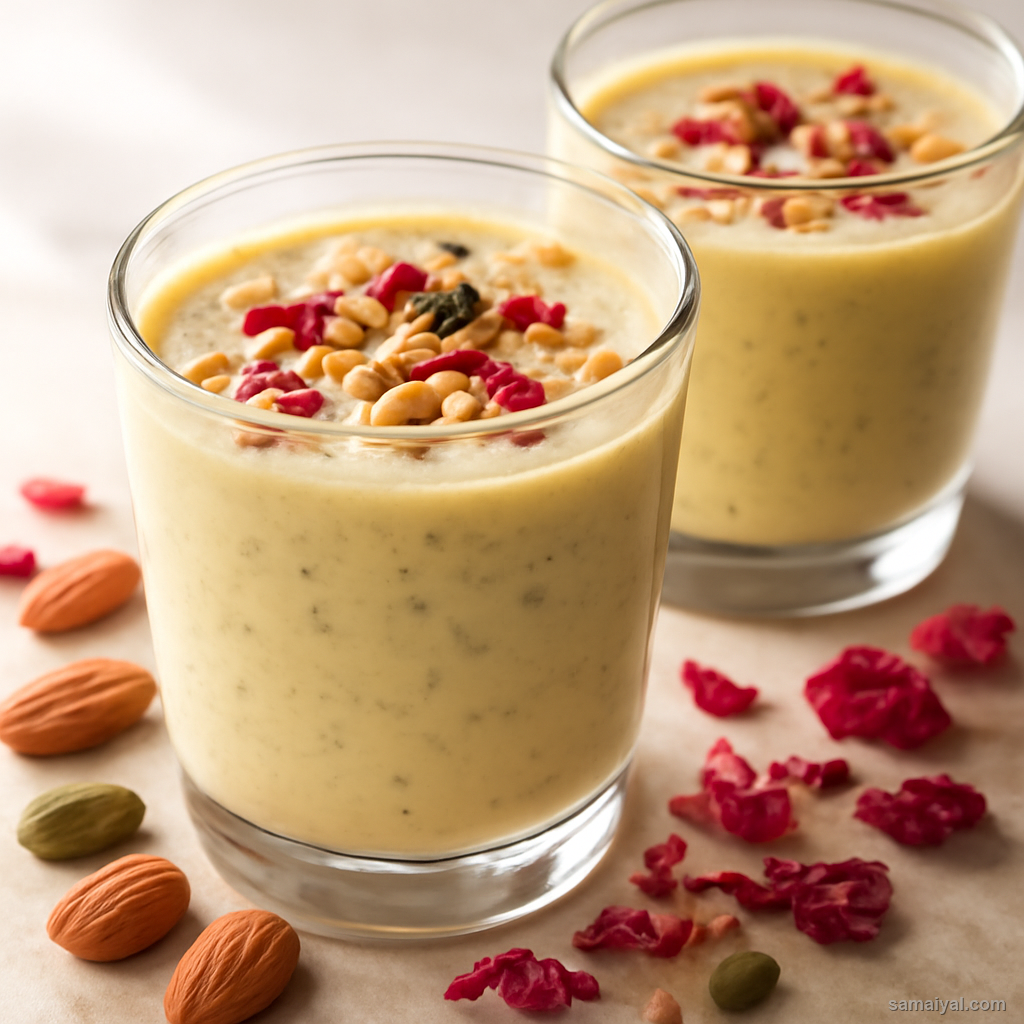
Chilled almond-spice-rose milk drink traditionally made for Holi — refreshing,...

Indian spiced lemonade with roasted cumin and black salt — light, tangy and the best...
Comments & Tips
Be the first to share your experience with this recipe!
Leave a Comment